Three years of international collaboration, 12 partners from 11 European countries, two student editions and 48 young designers. The FashionTEX – European Academy for Young Designers to Study Innovative Technologies in Digital Fashion Design project has come to an end, leaving the Institute of Textile Architecture at Lodz University of Technology with new experience, competences and educational solutions in the field of digital fashion design.
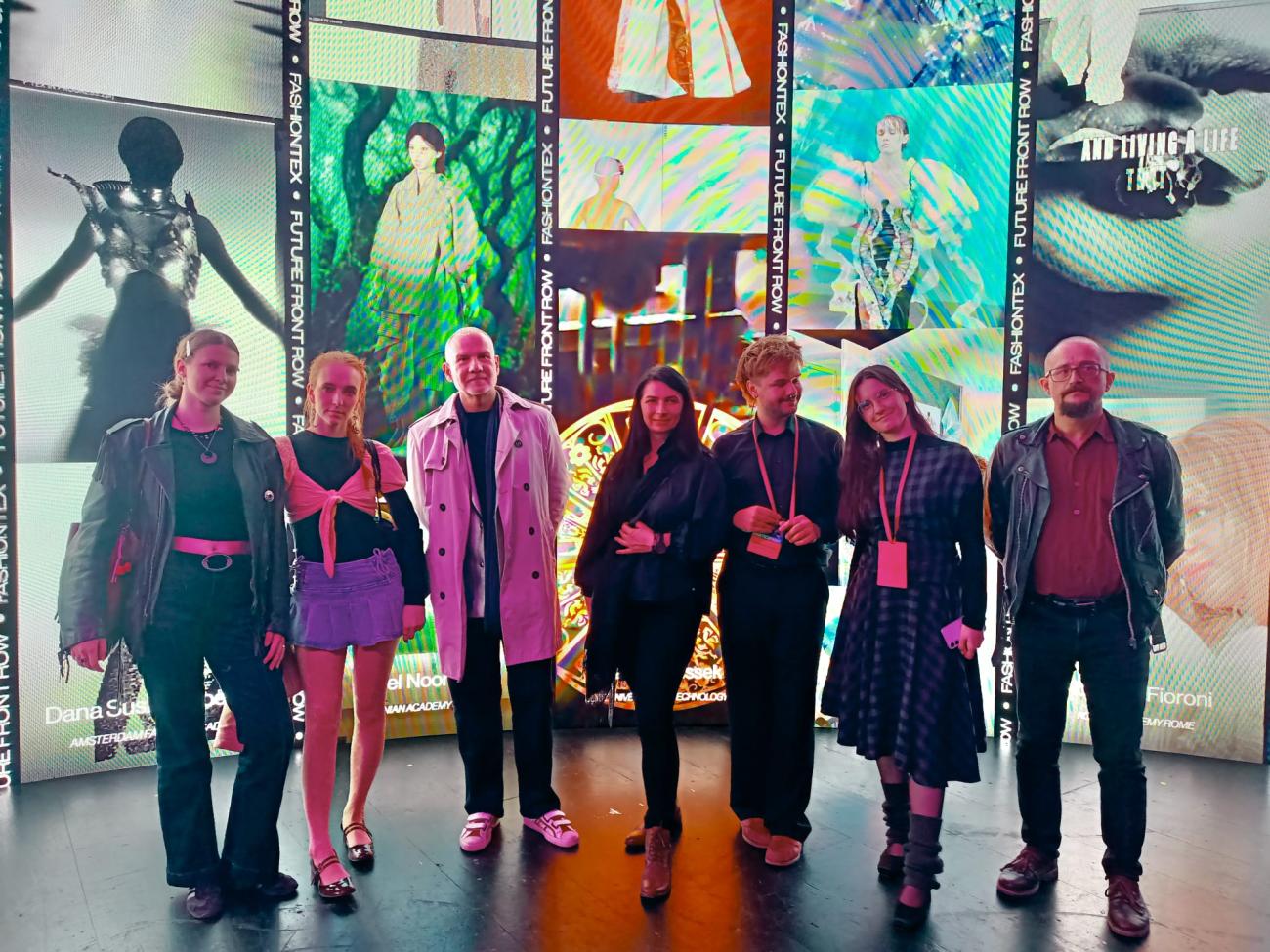
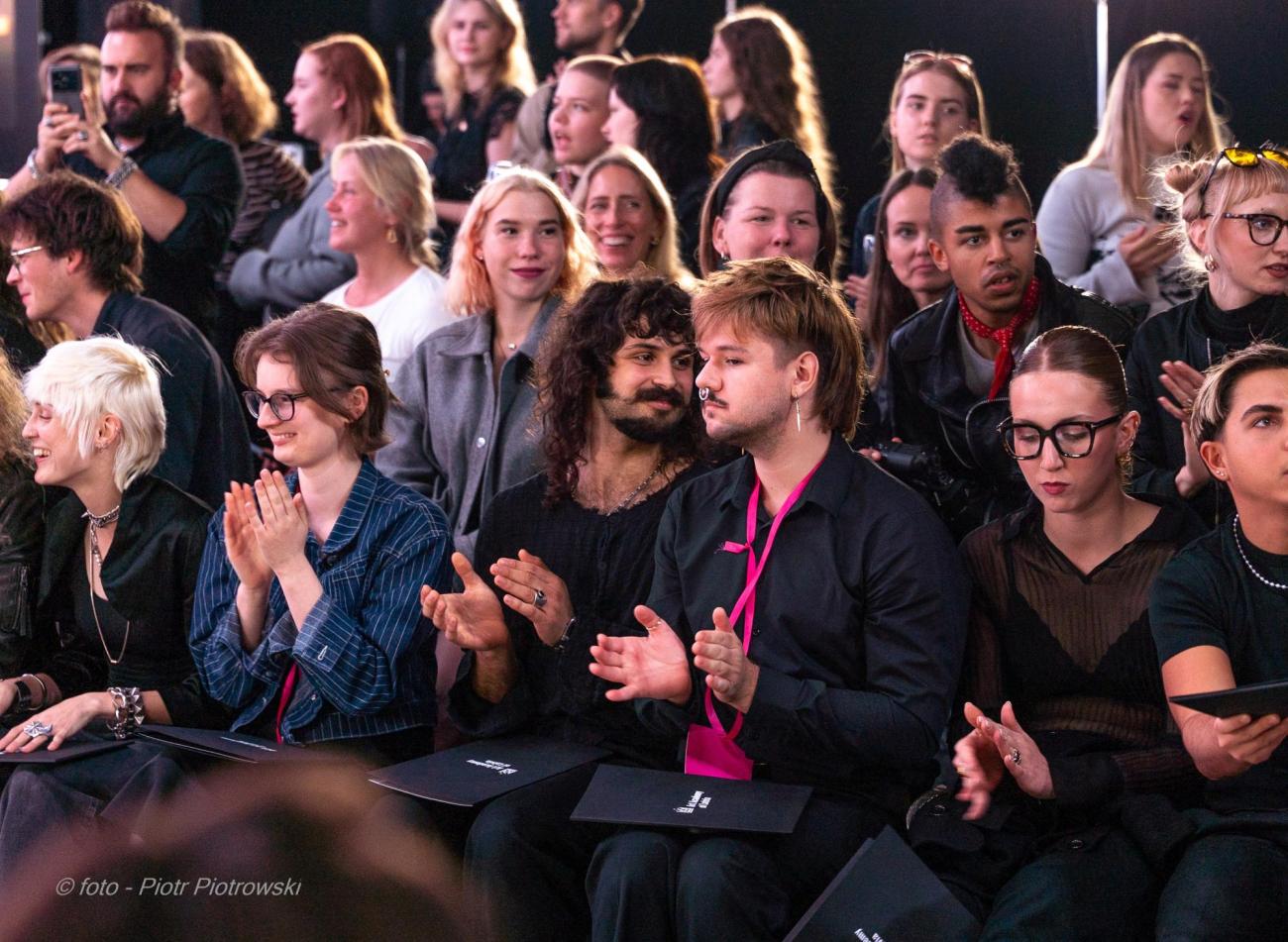
On 30 September and 1 October 2026, Riga became a European centre of digital and sustainable fashion. FashionTEX Festival 2026 concluded three years of collaboration between European fashion schools and partner organisations, demonstrating how contemporary fashion design can connect the physical and digital worlds.
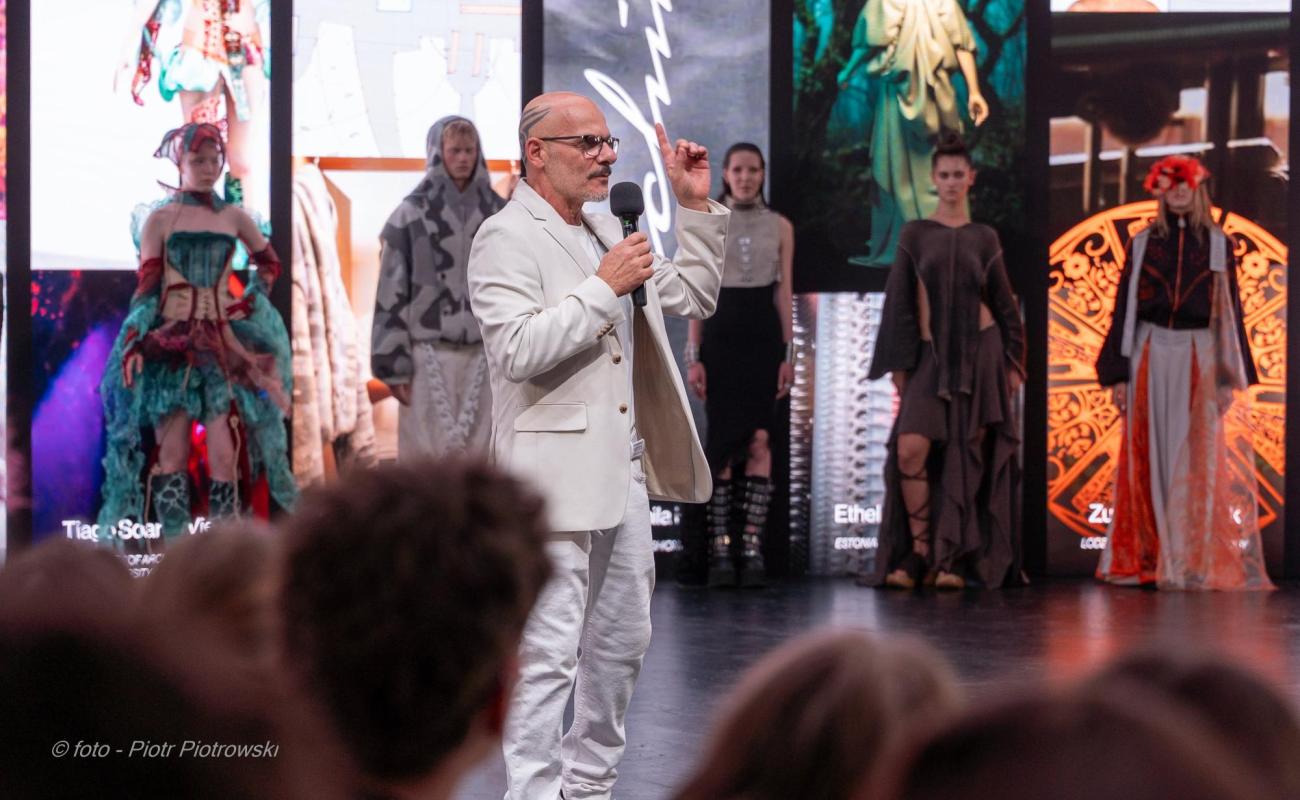
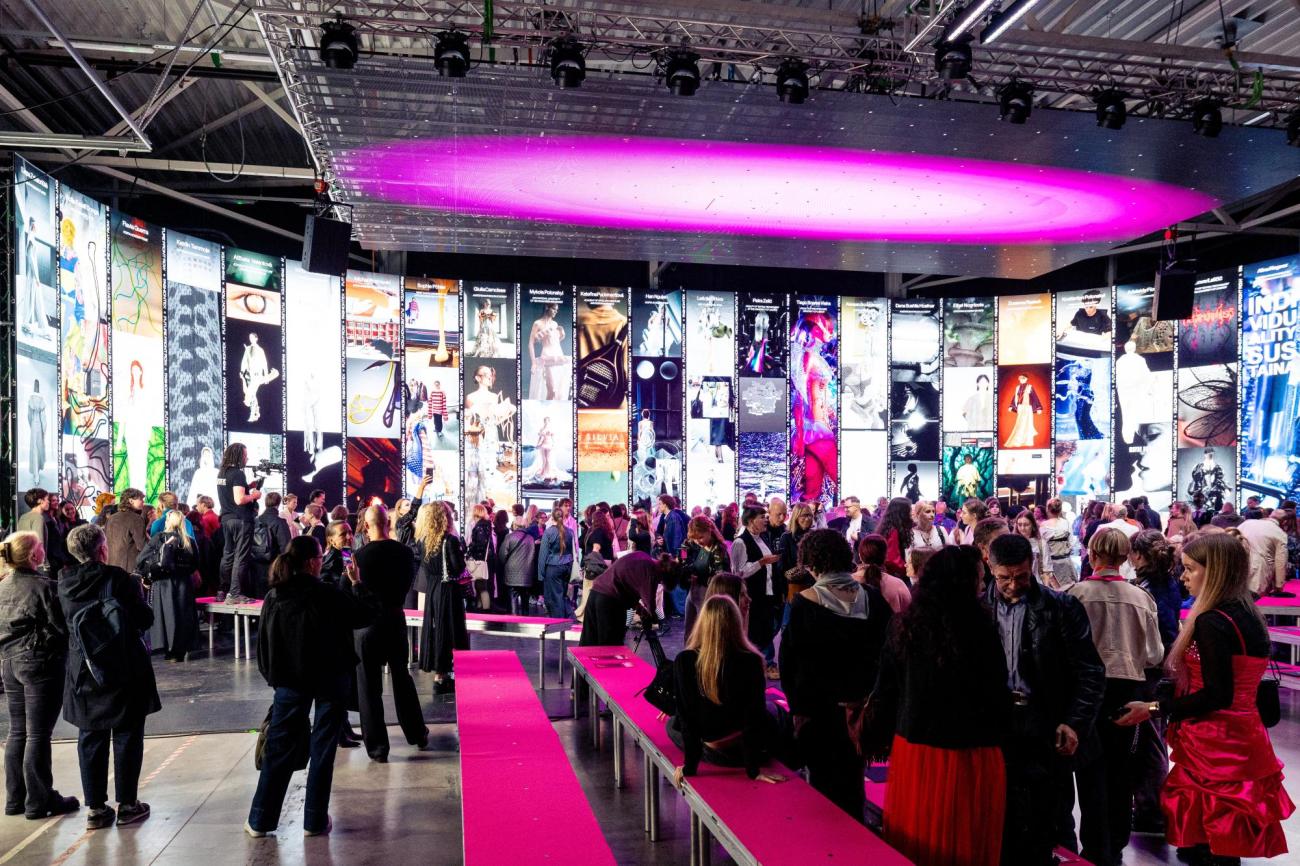
The festival took place at Riga Makerspace and LEDunit Virtual Production Studio, under the theme “Digitalisation and Sustainability in Fashion: Benefits & Challenges.” The programme included lectures, panel discussions, technology presentations, studio visits and expert debates devoted, among other topics, to the future of digital design, prototyping, fashion education and sustainable development.
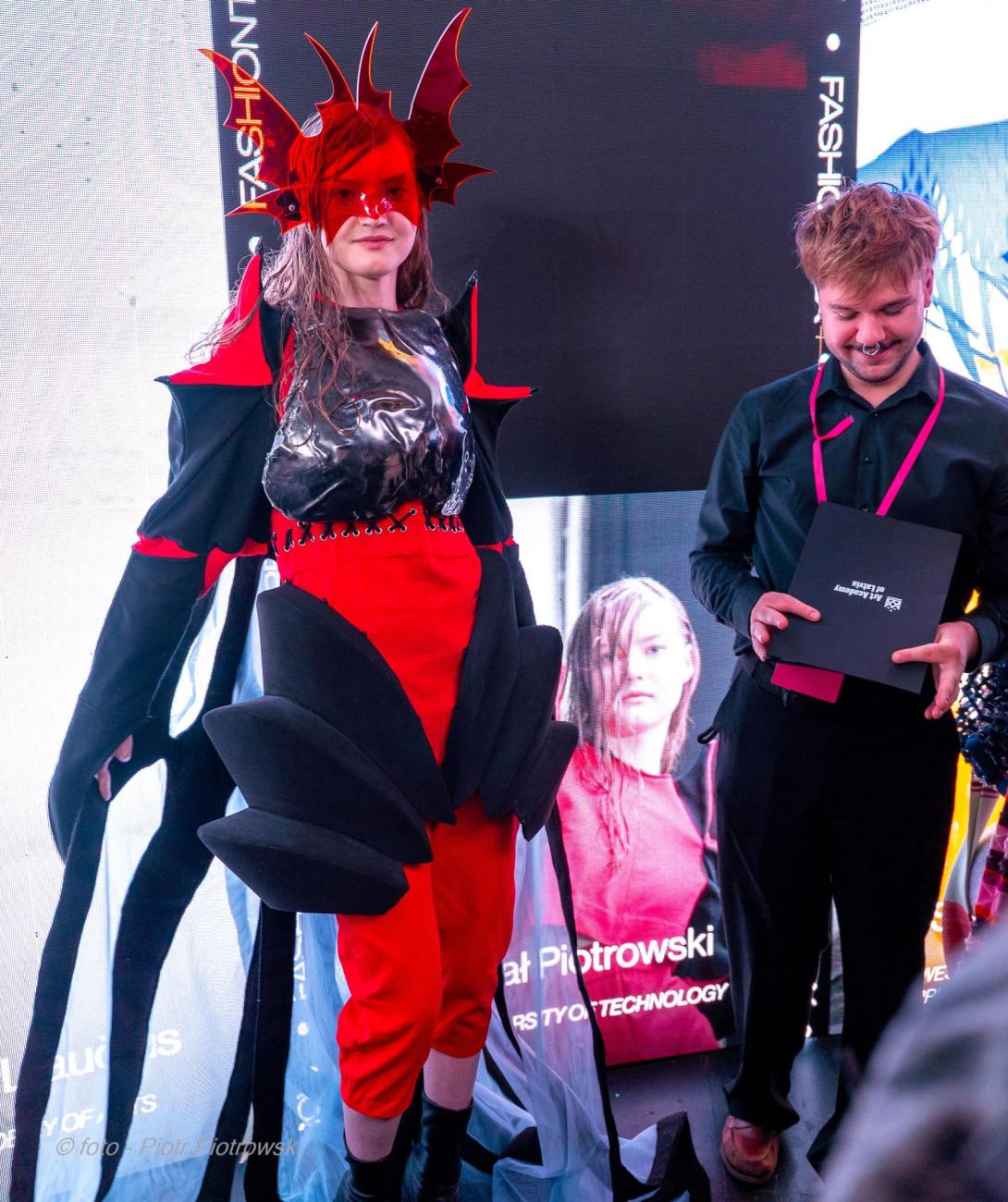
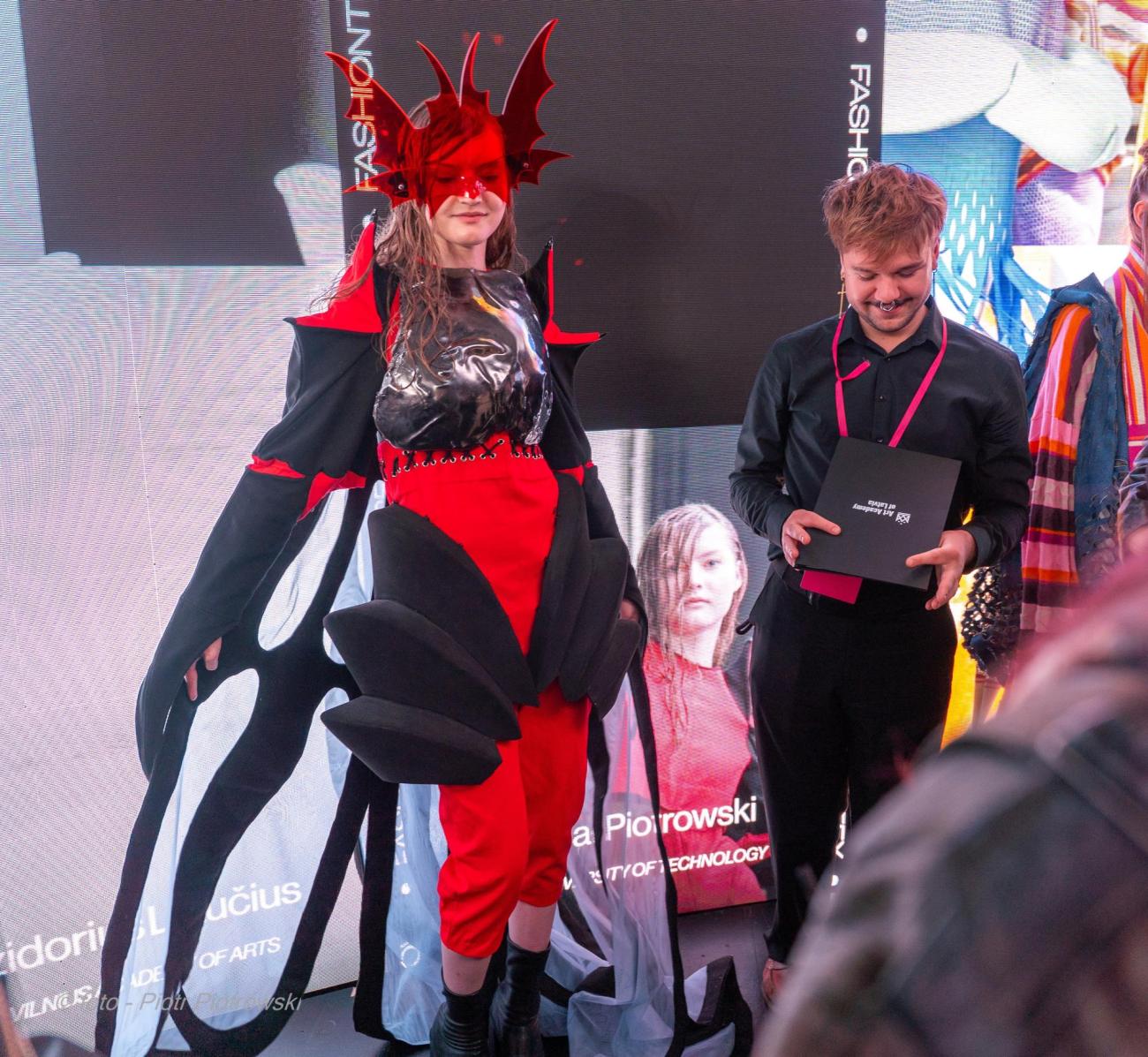
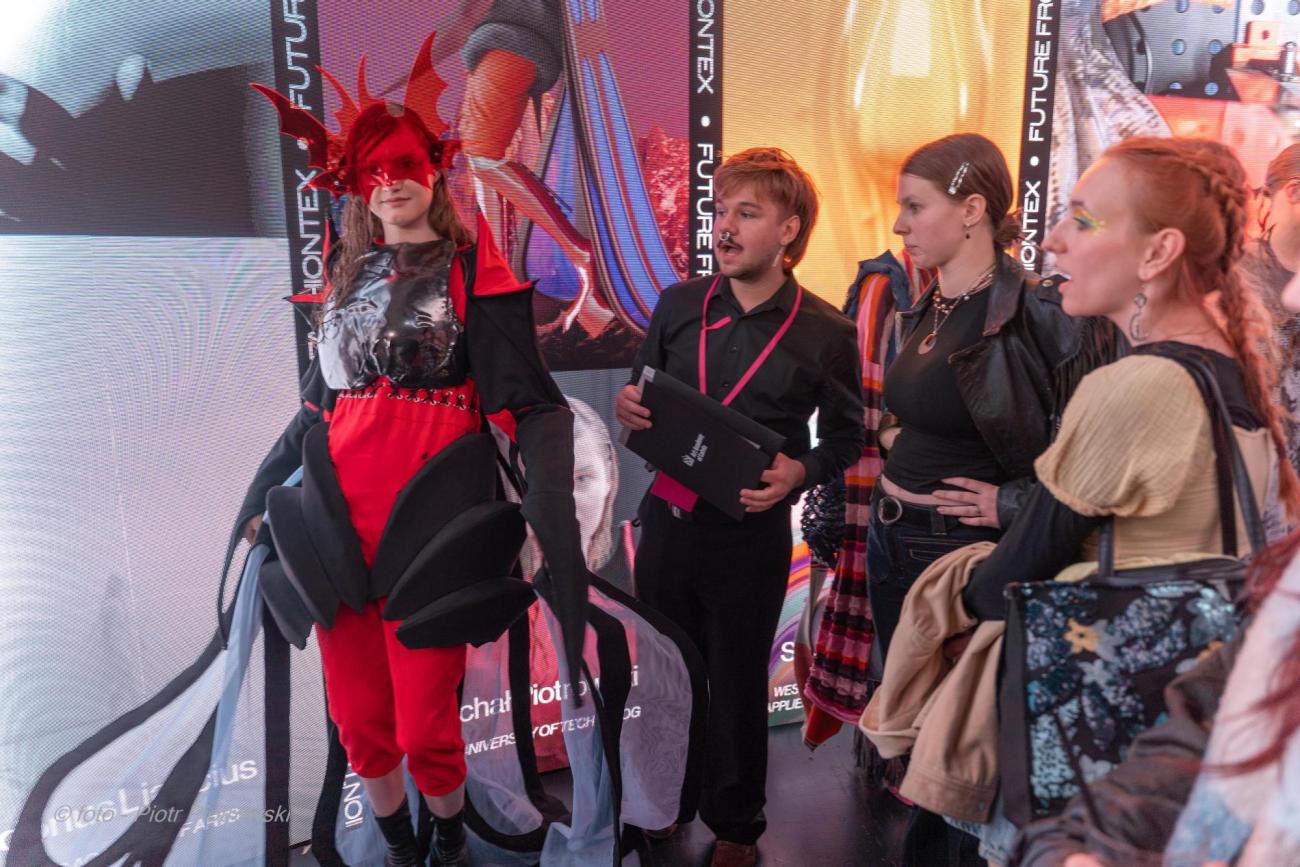
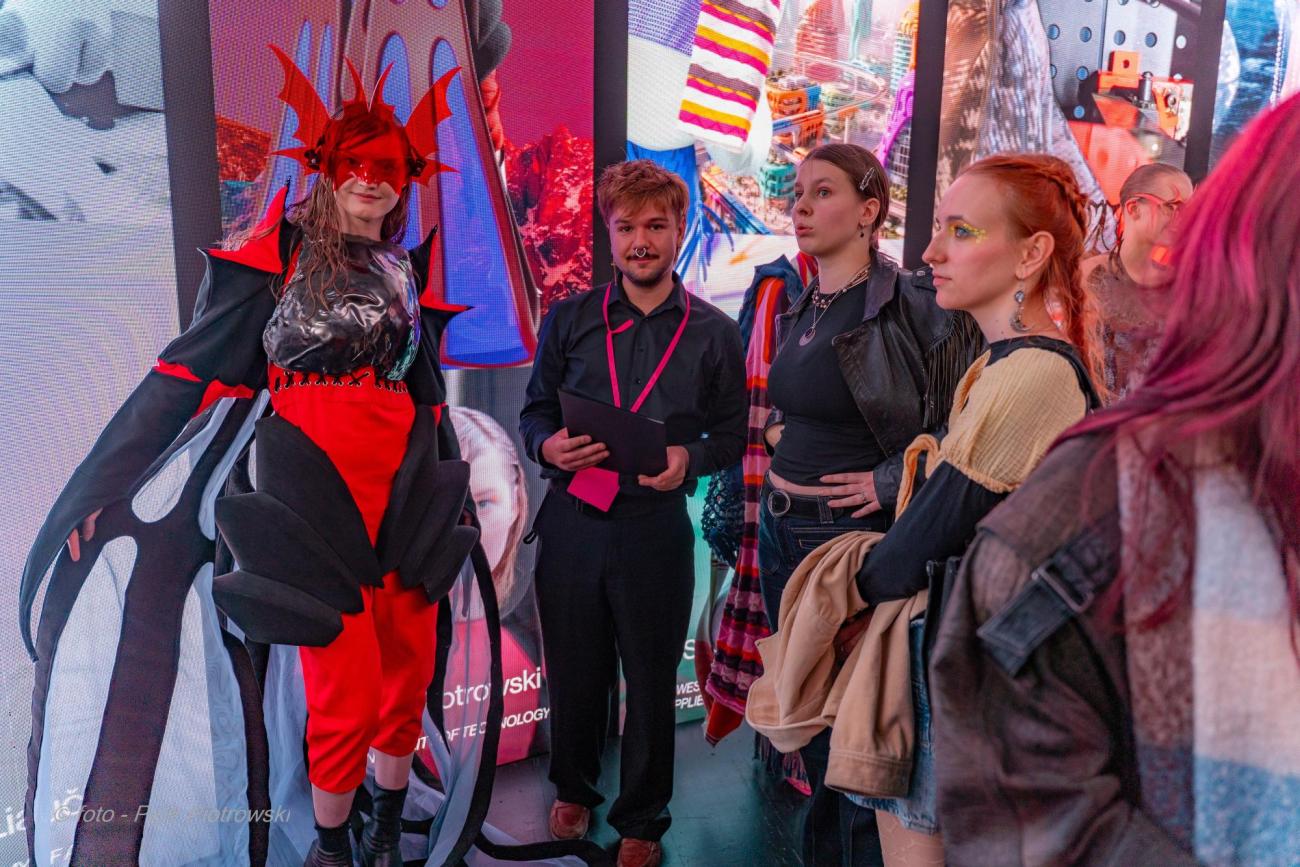
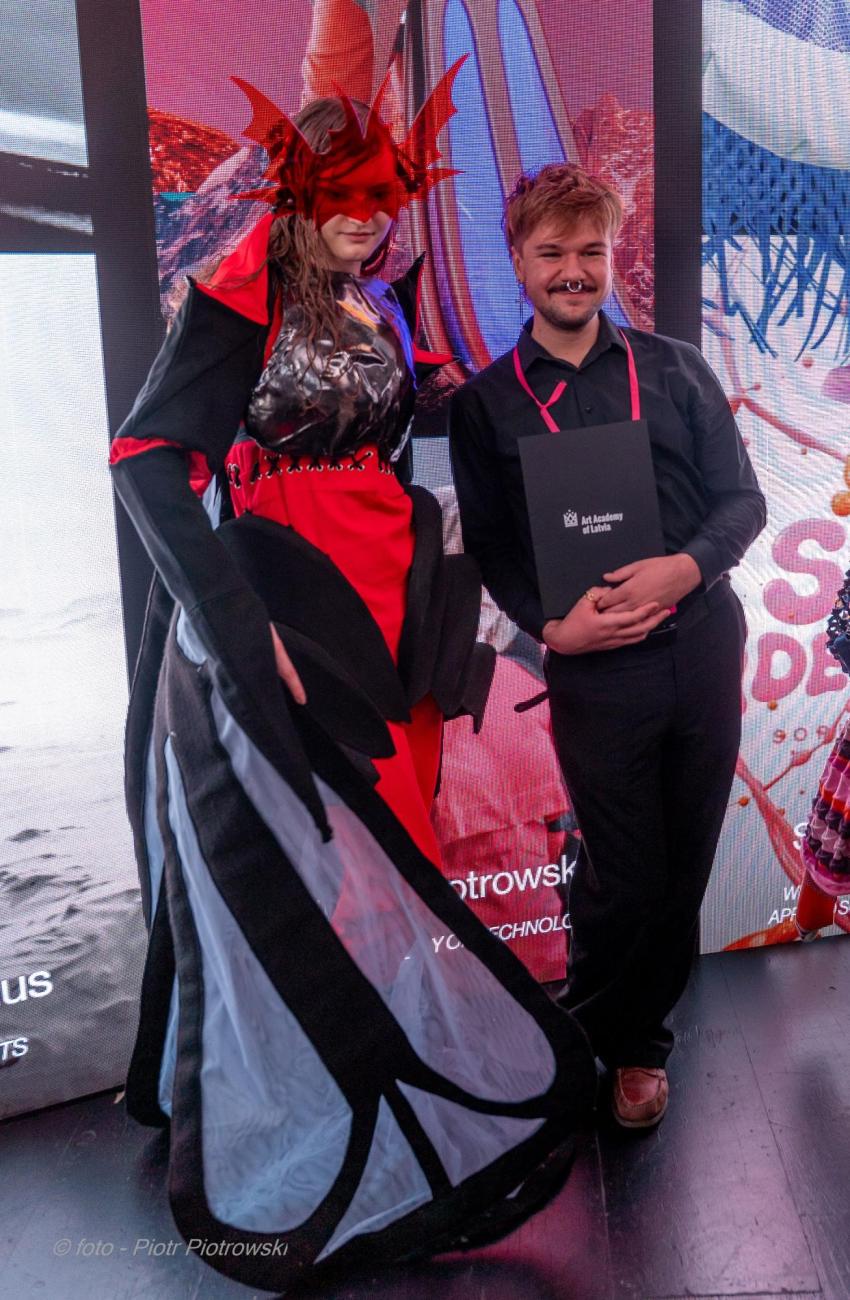
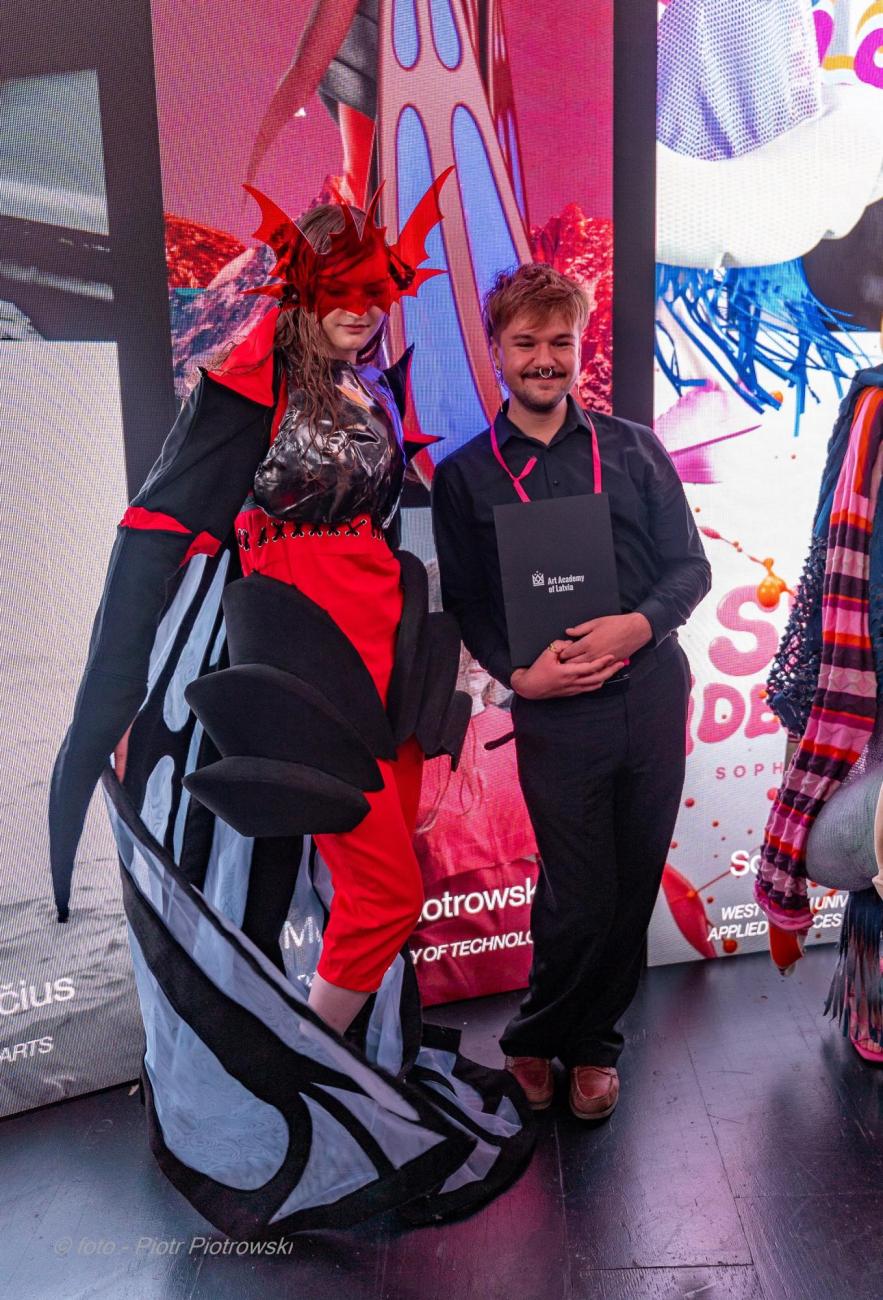
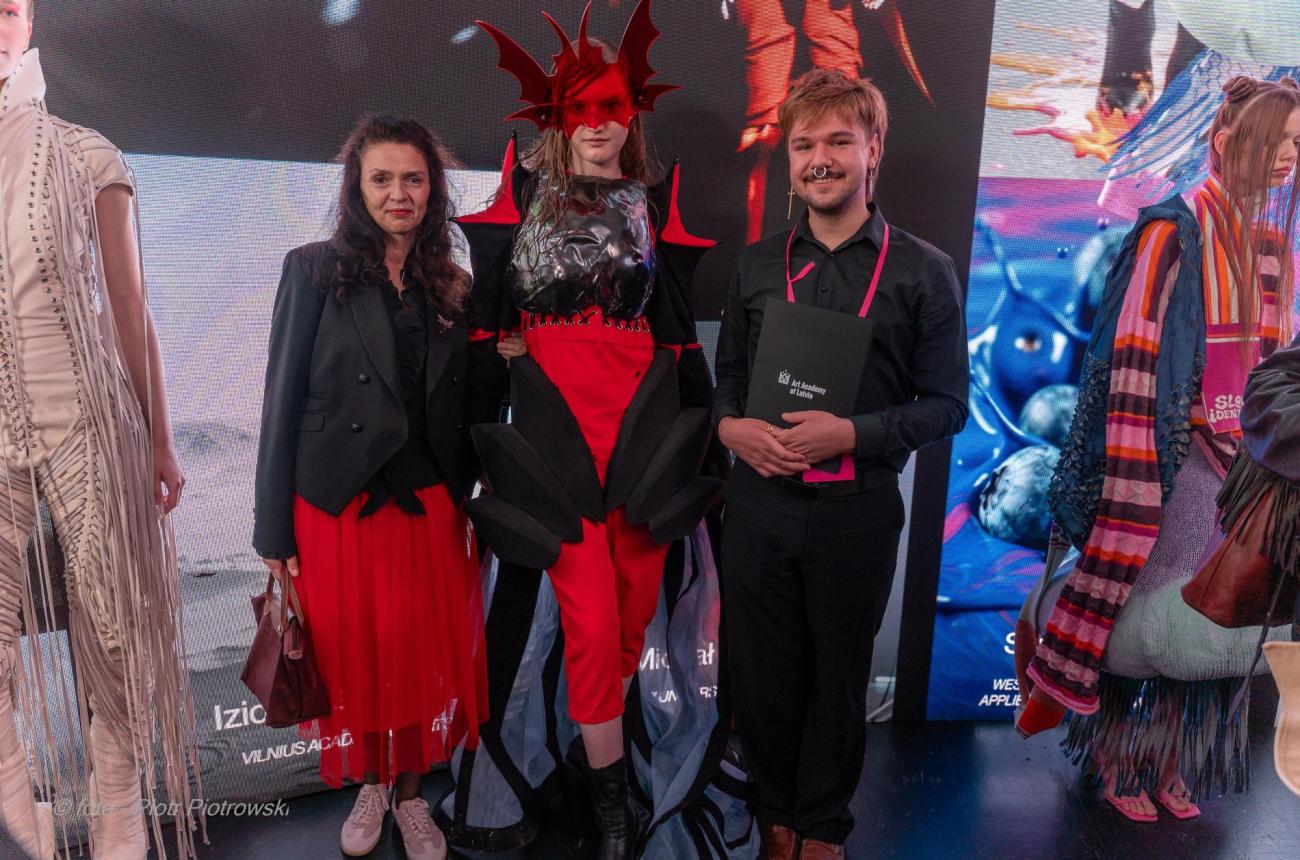
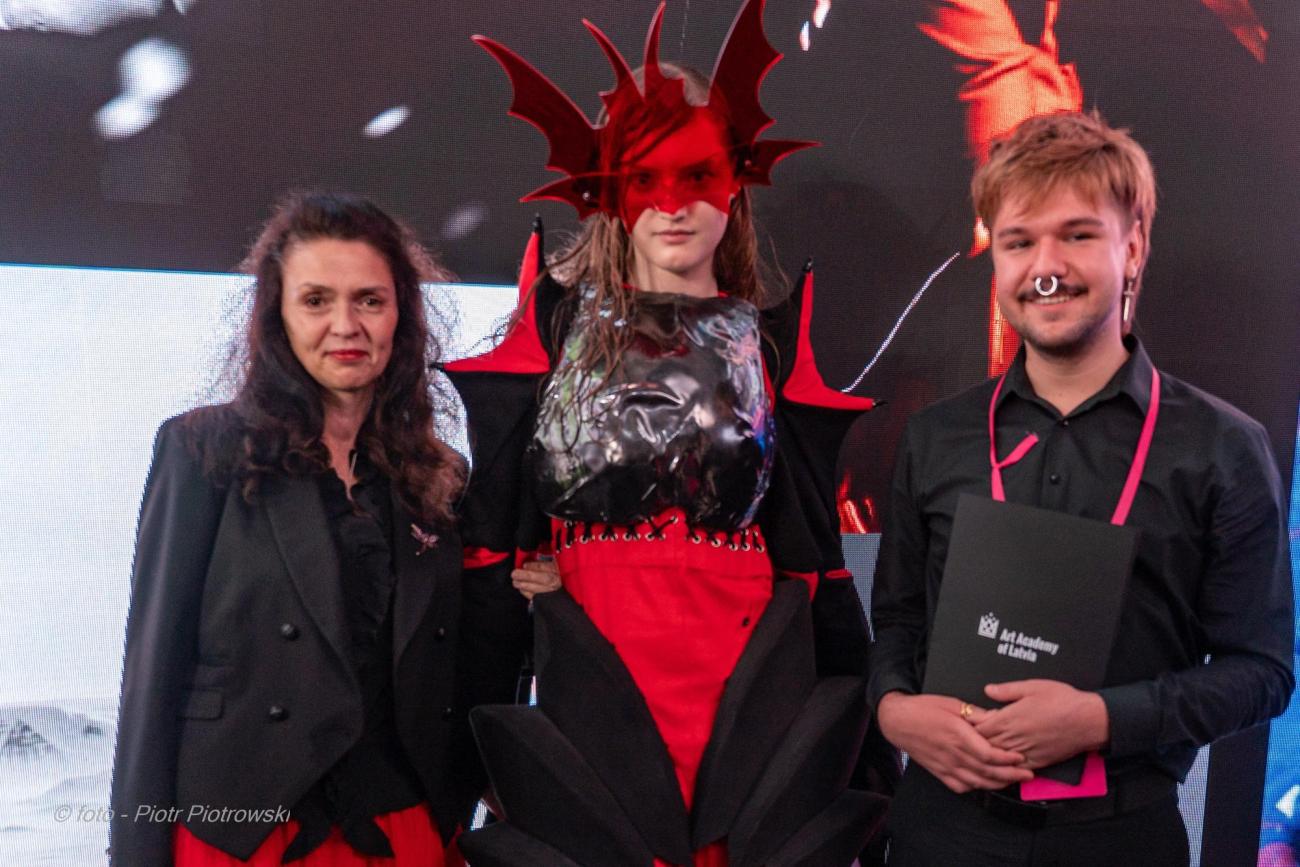
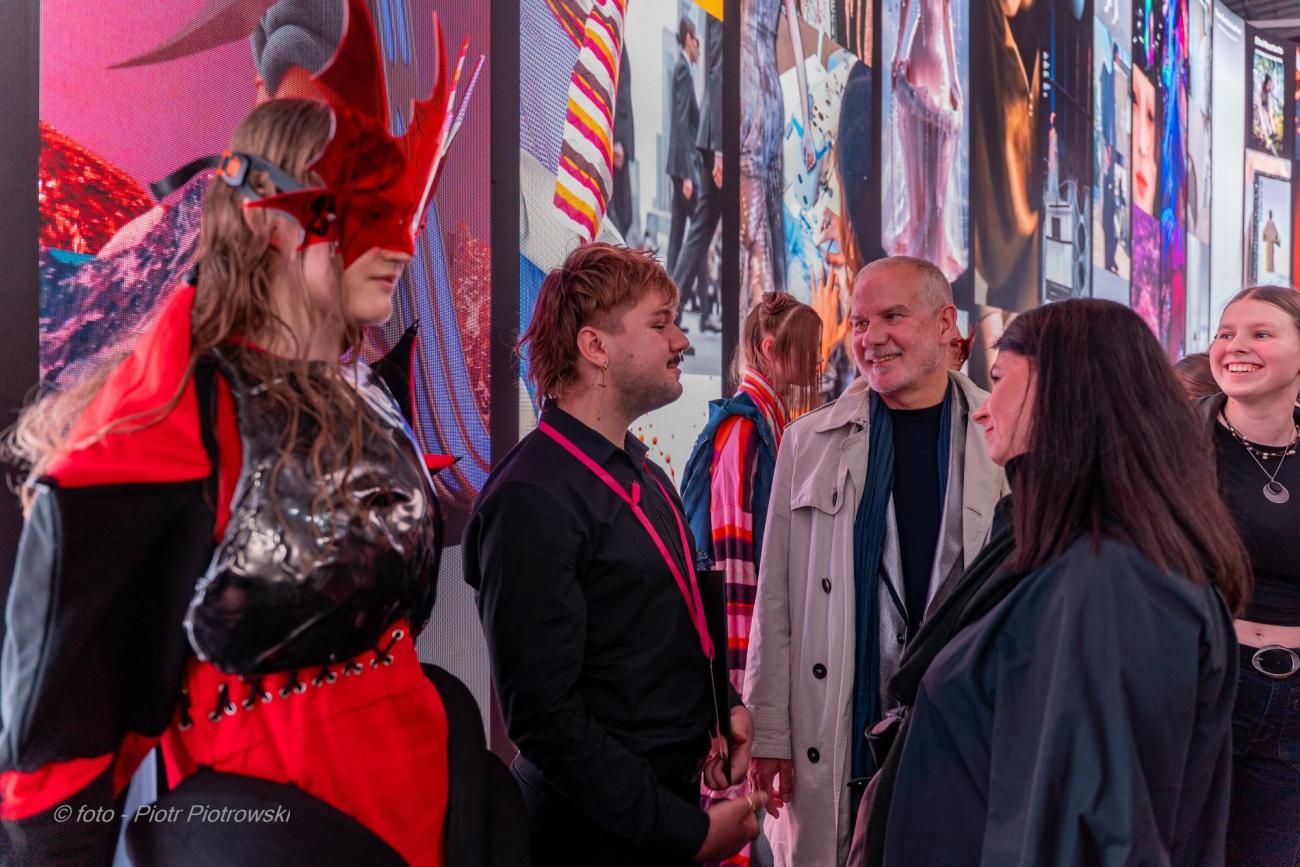
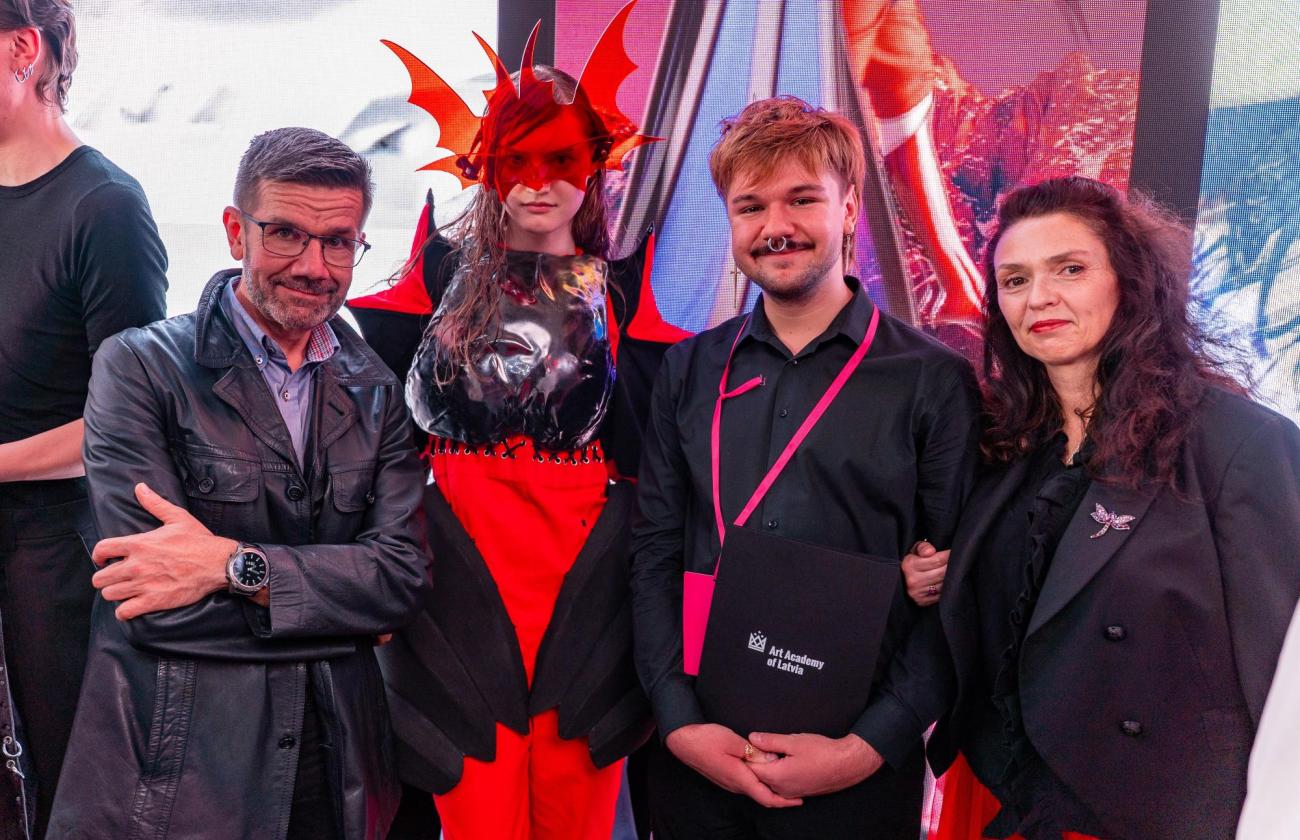
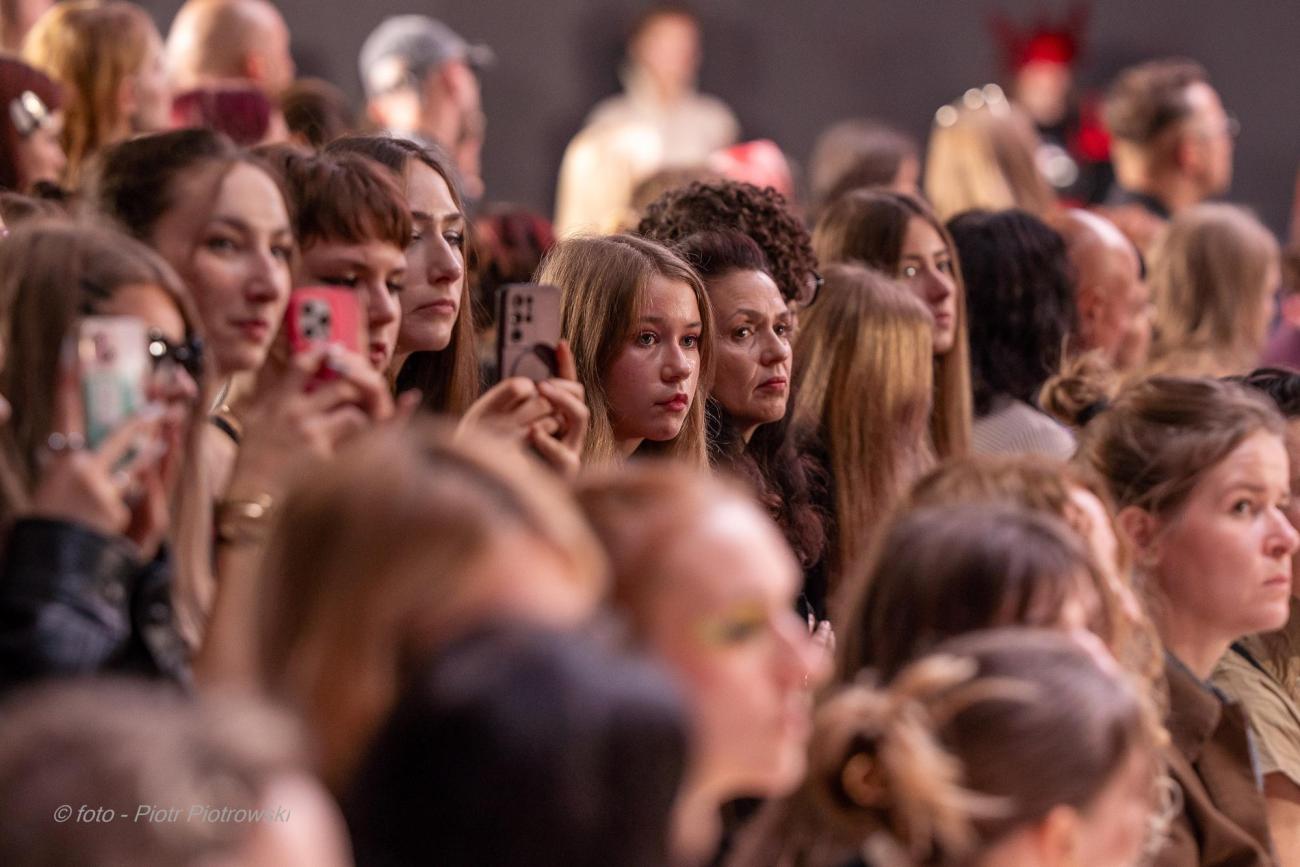
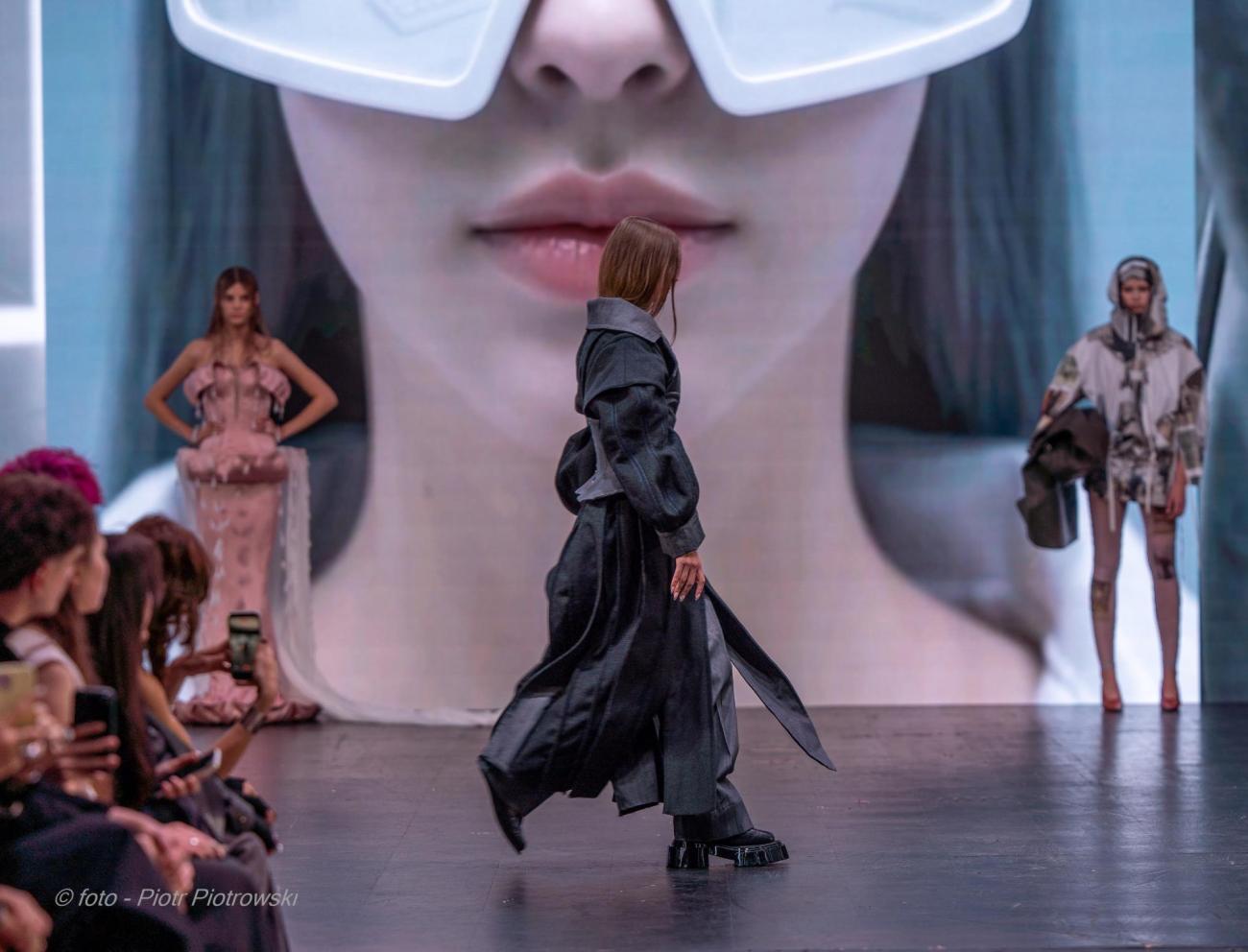
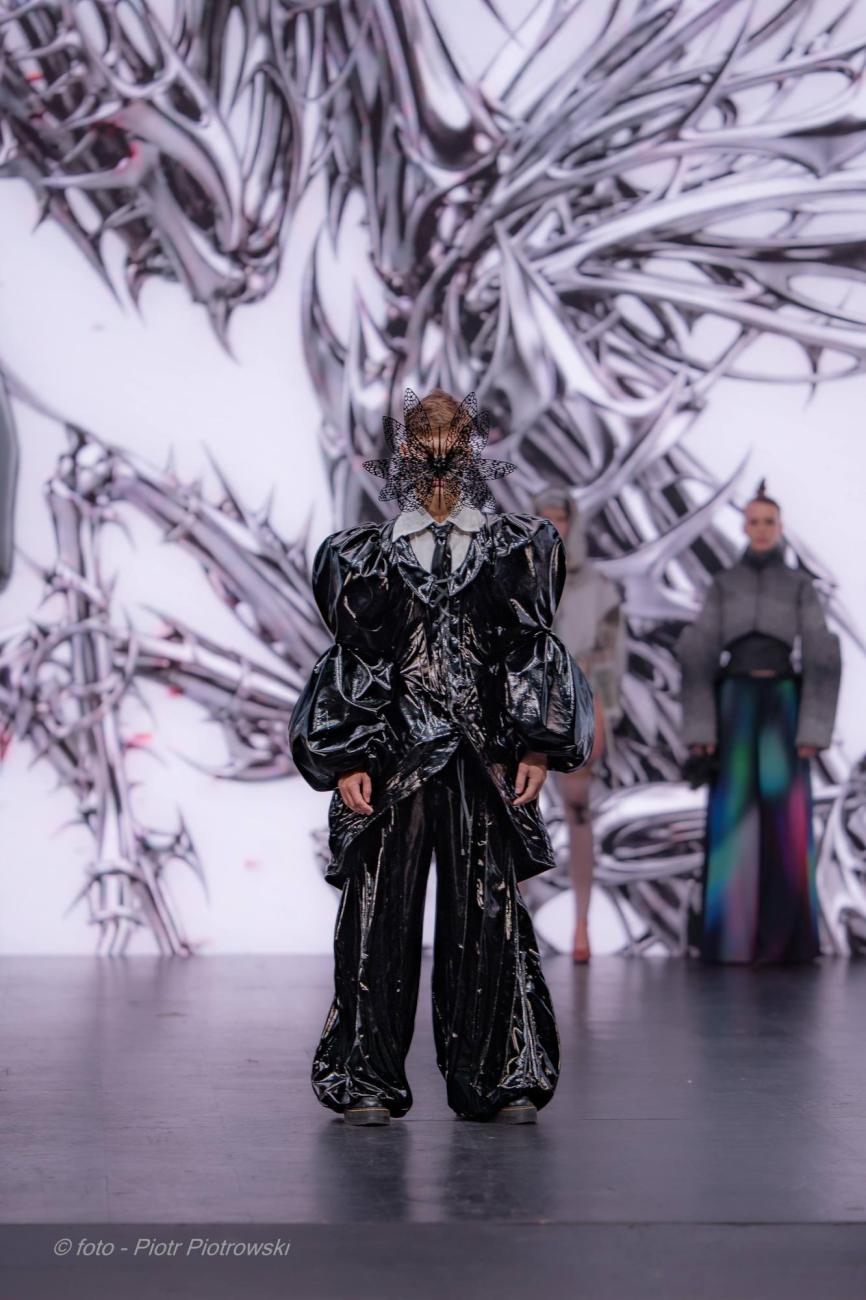
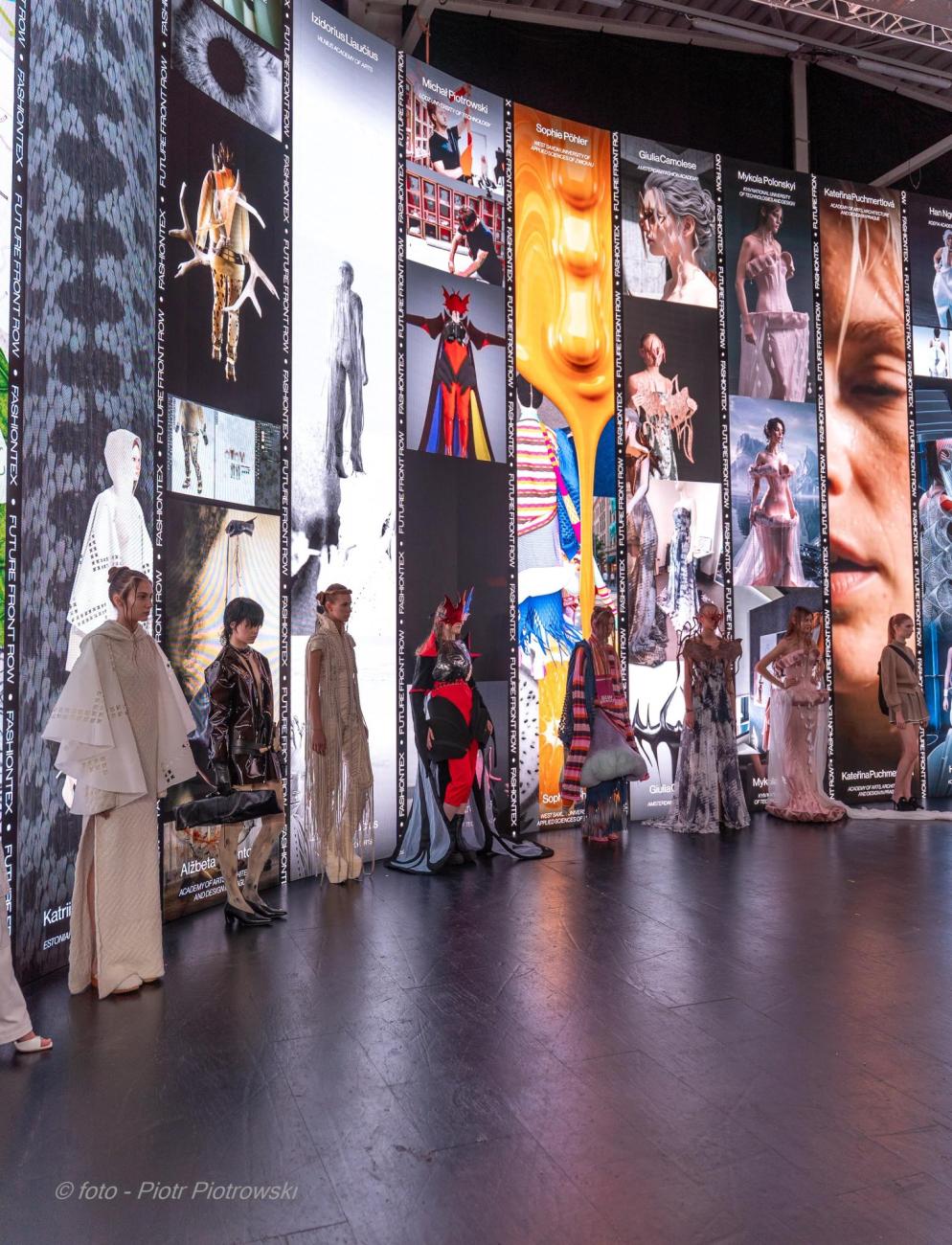
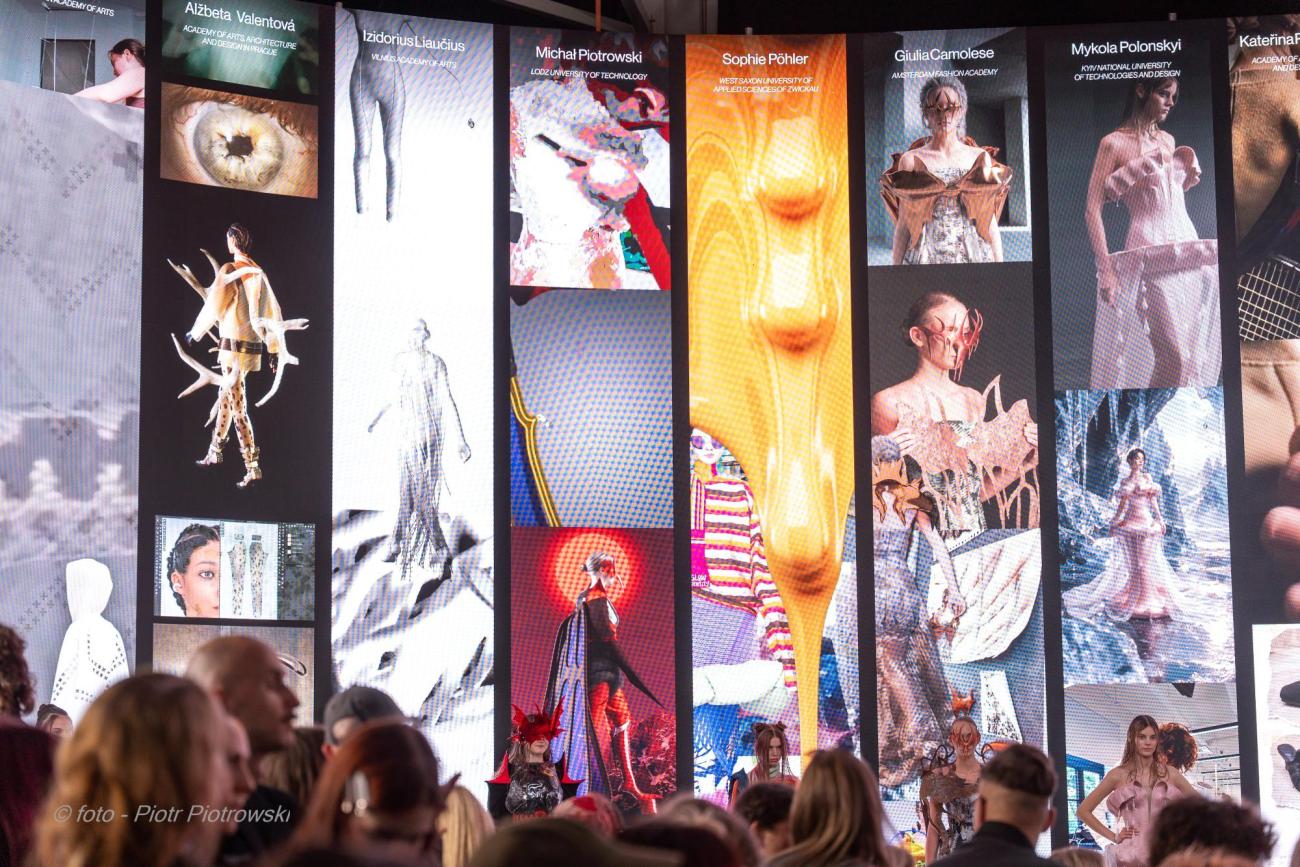
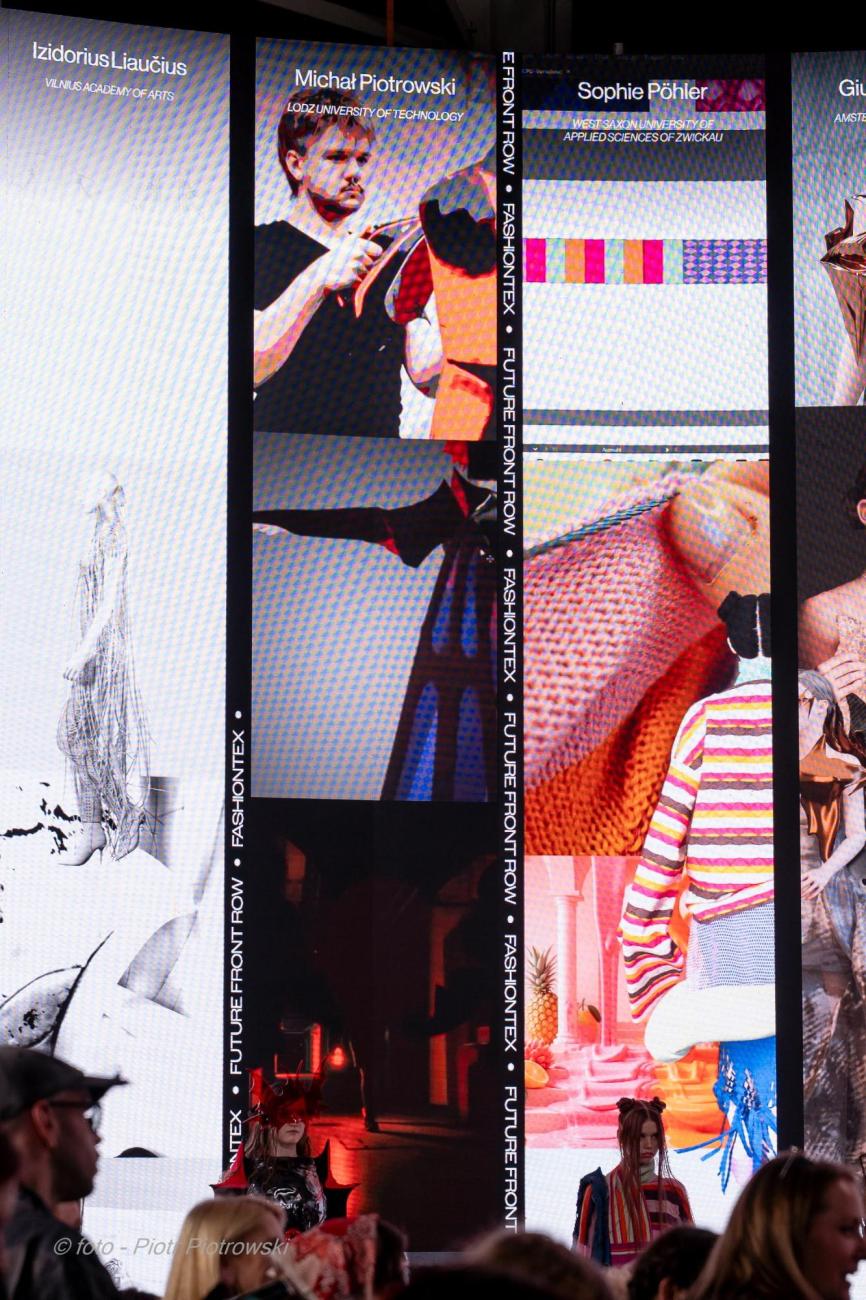
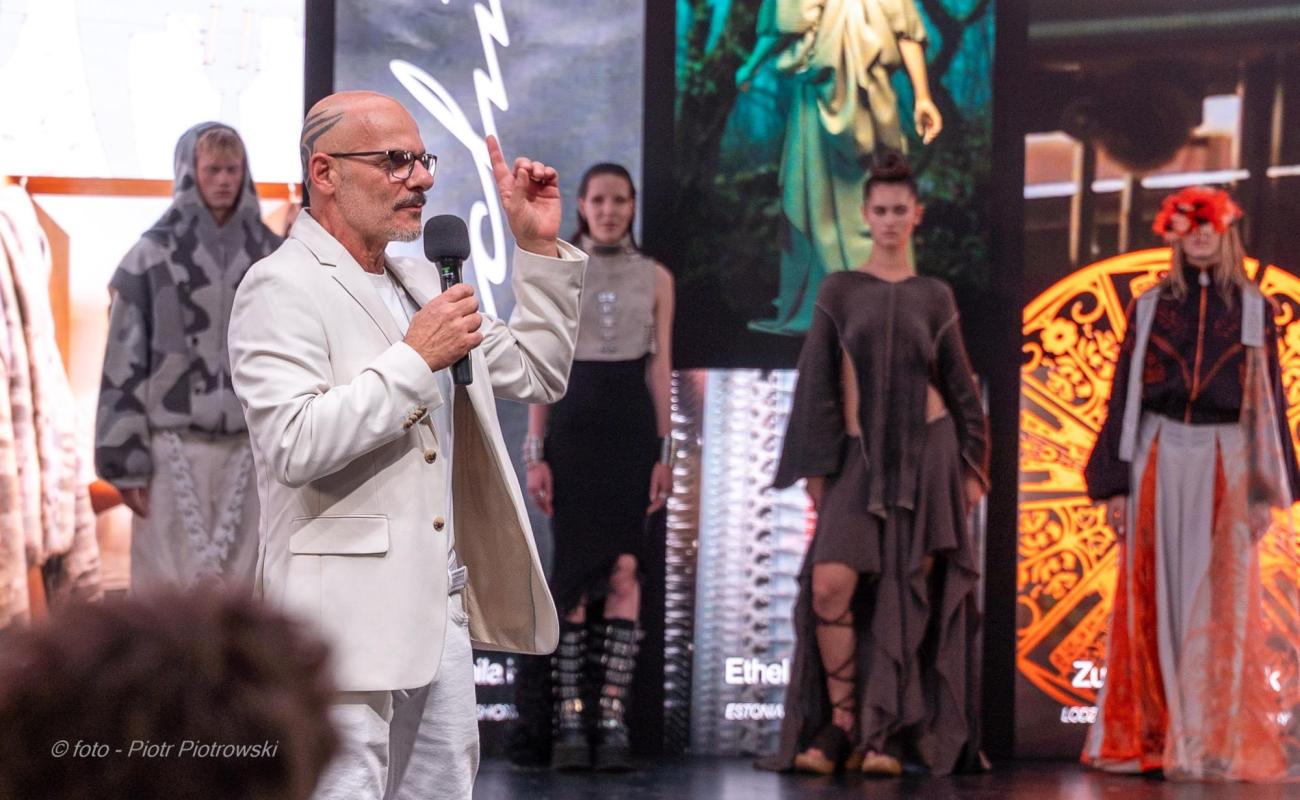
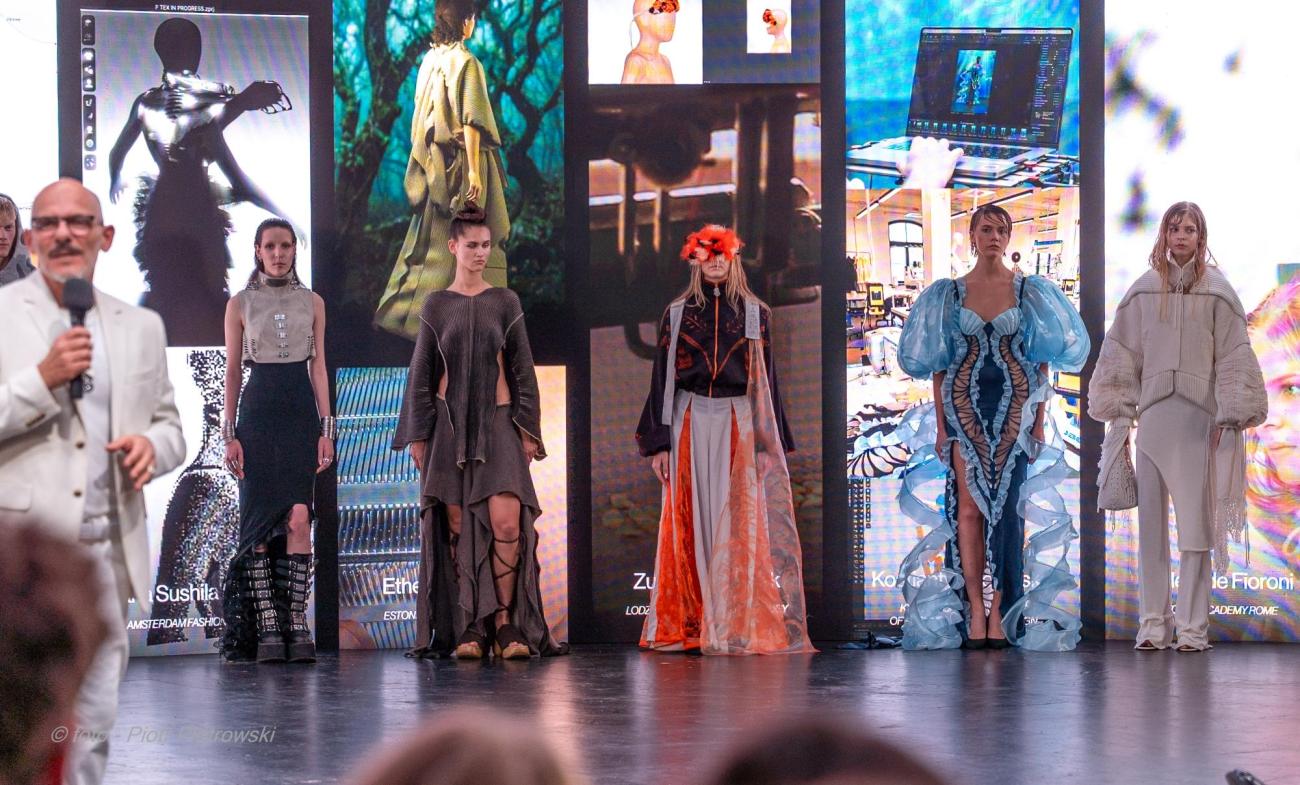
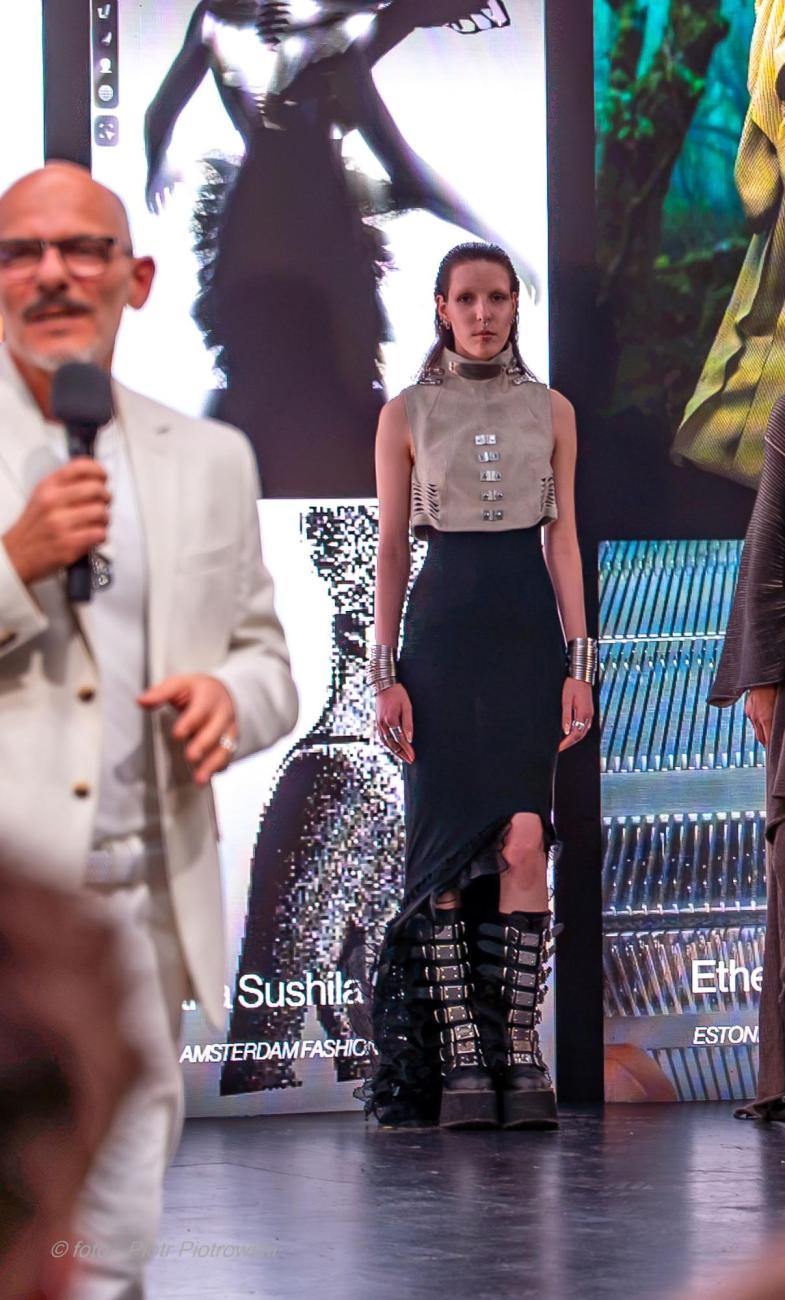
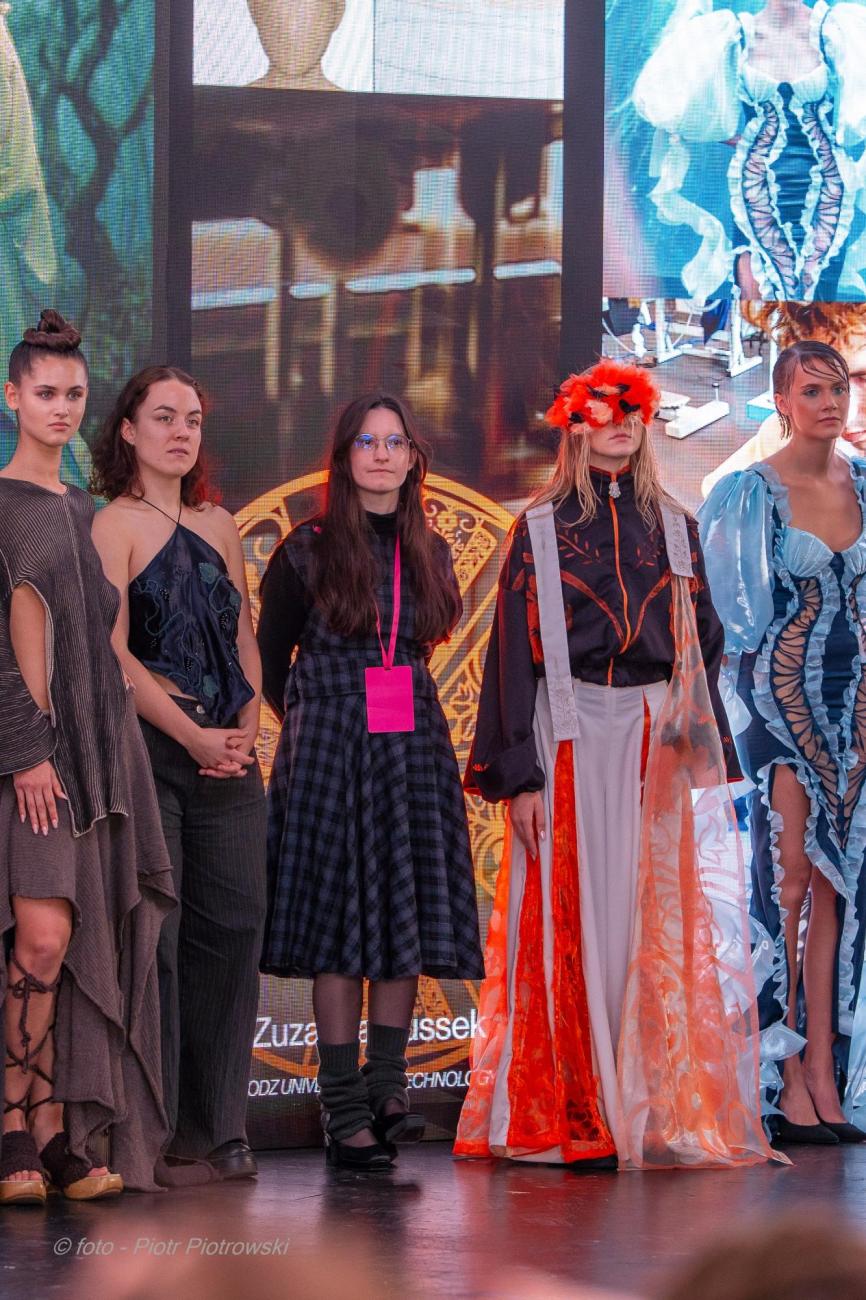
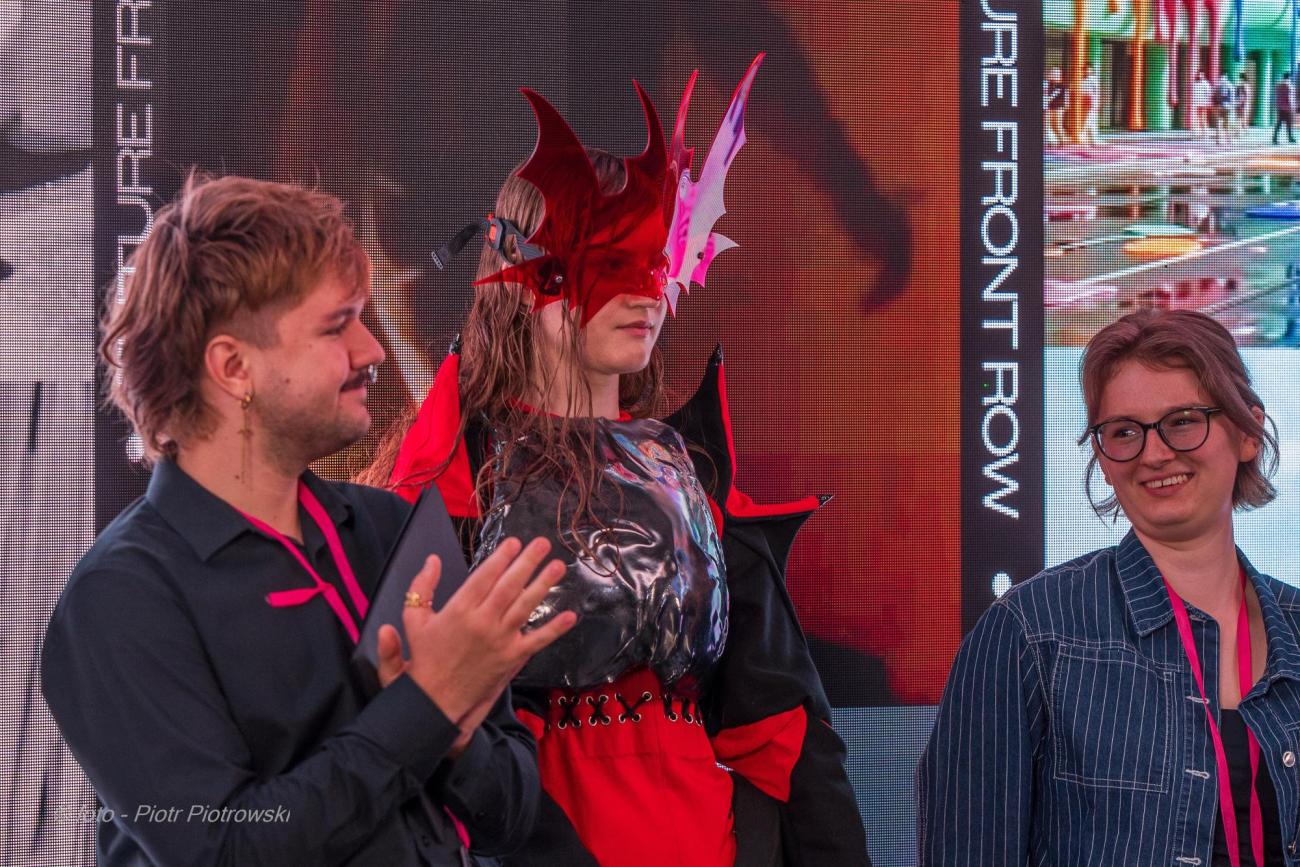
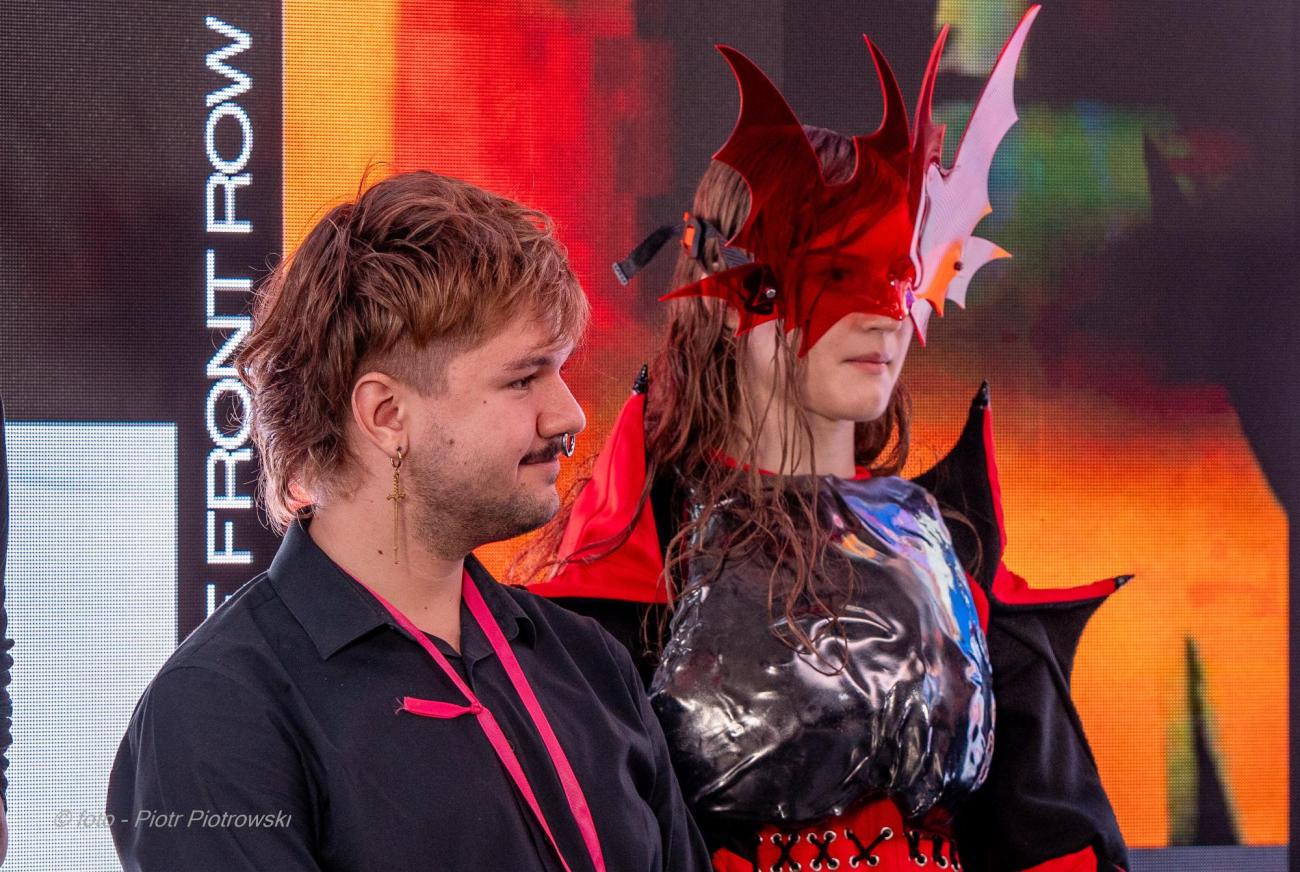
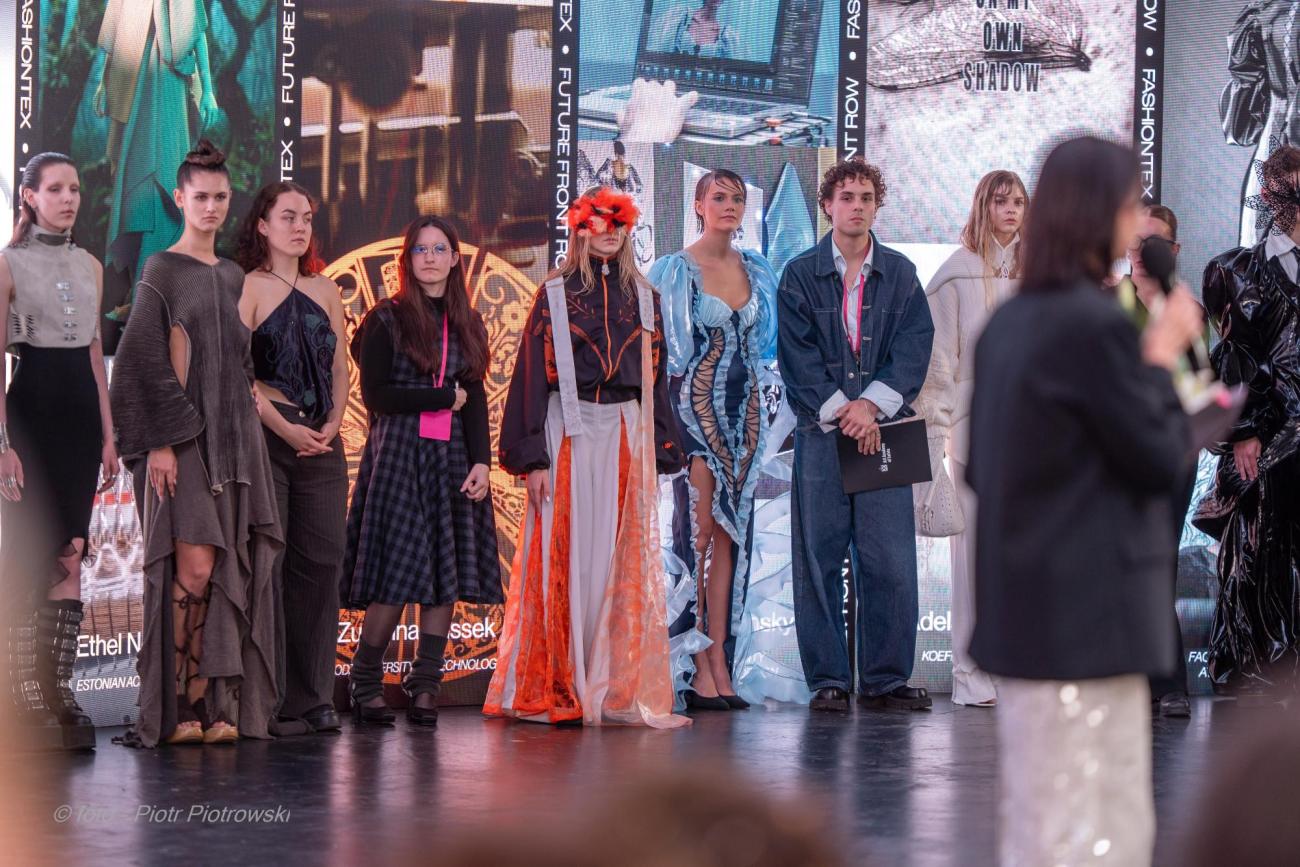
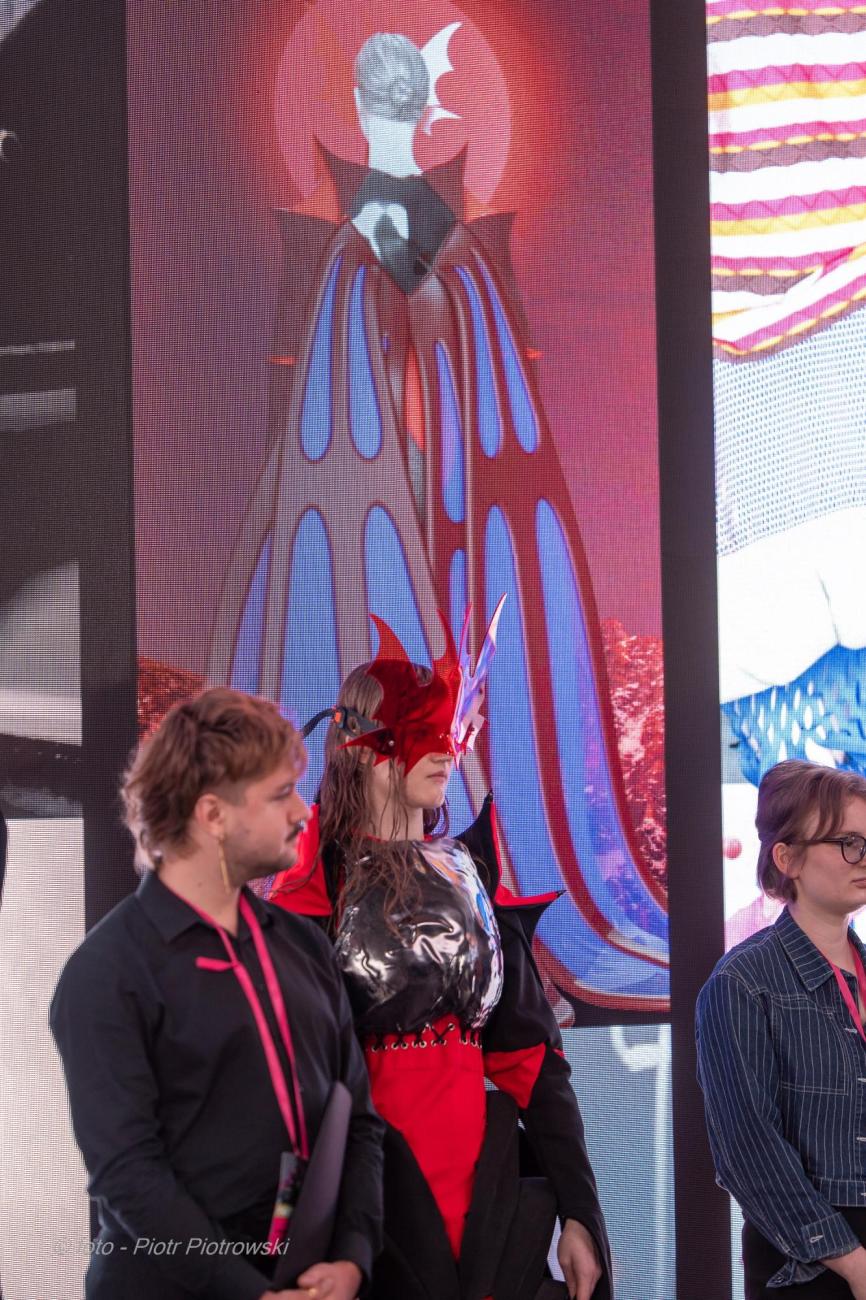
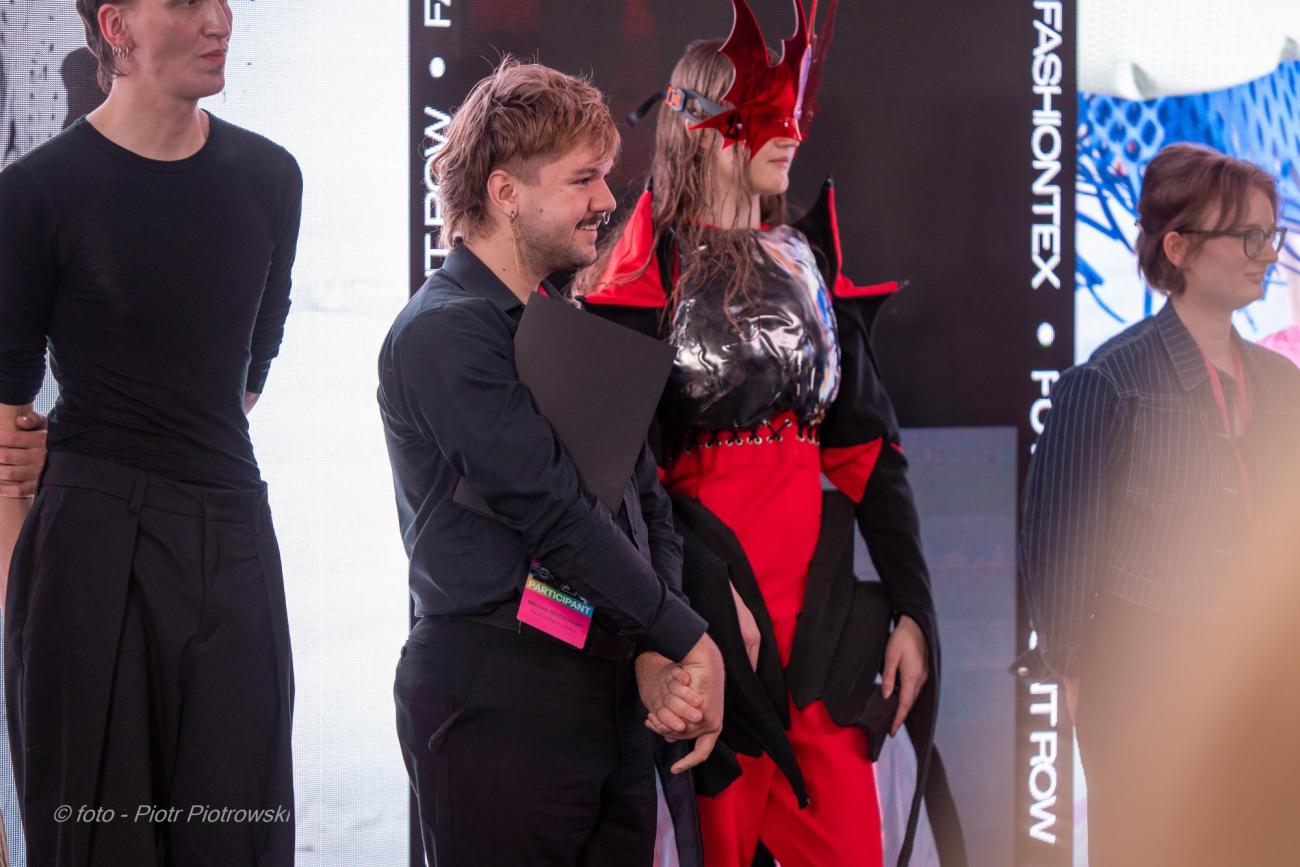
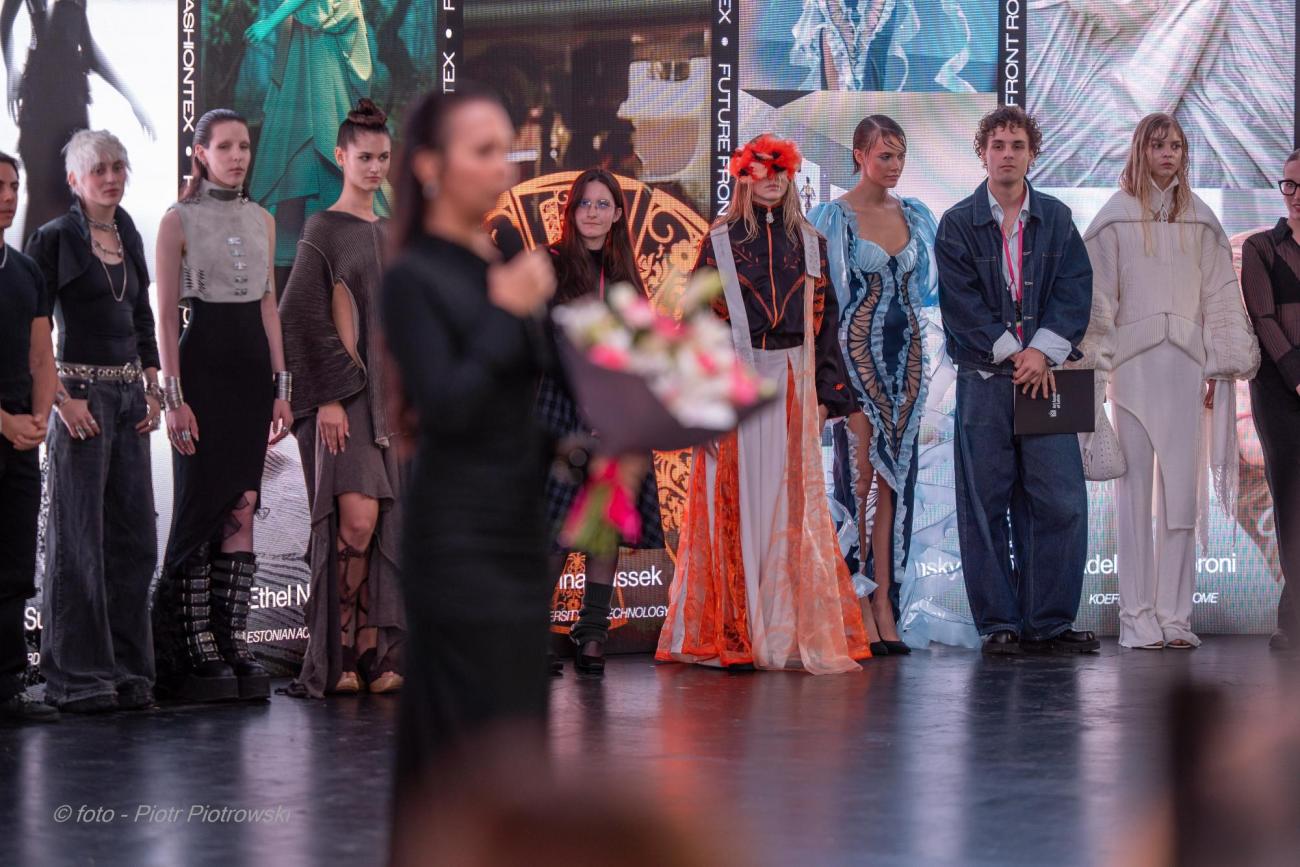
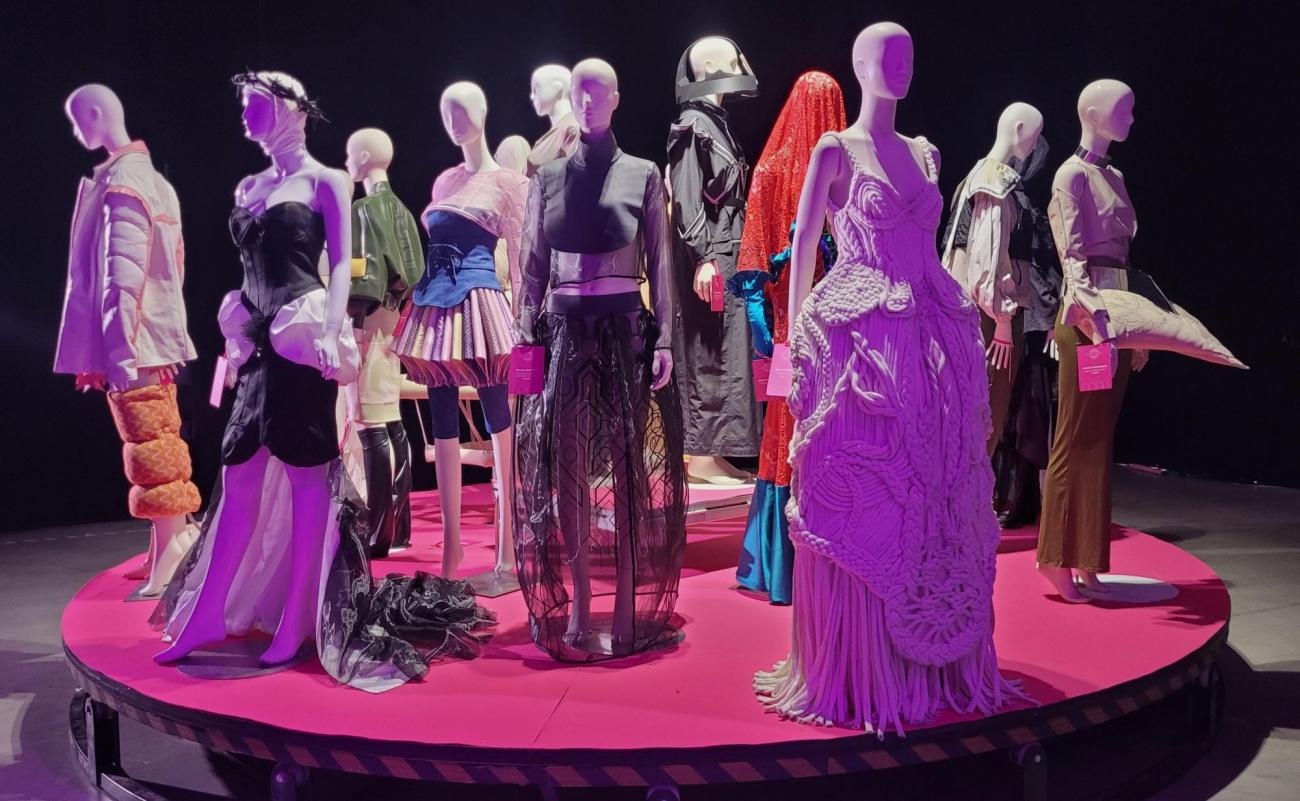
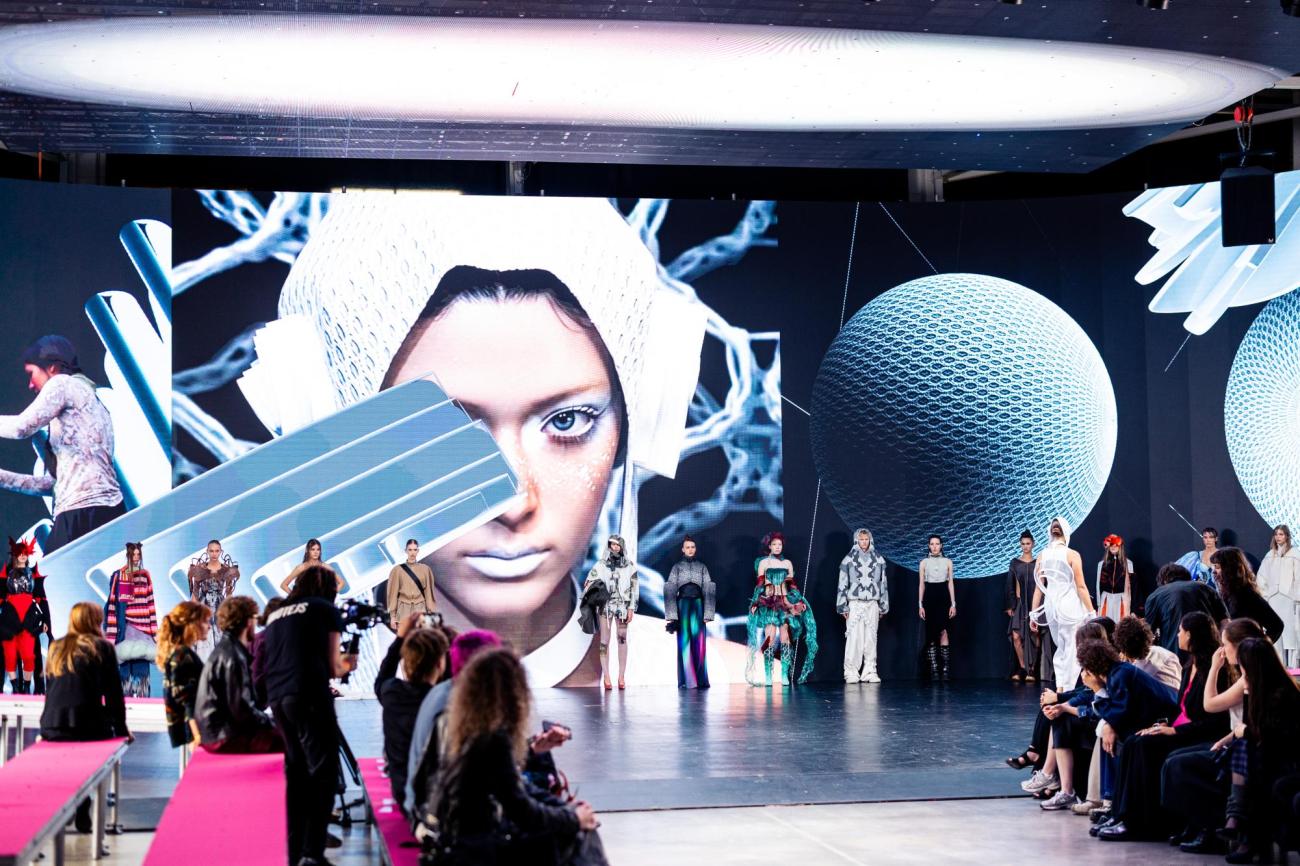
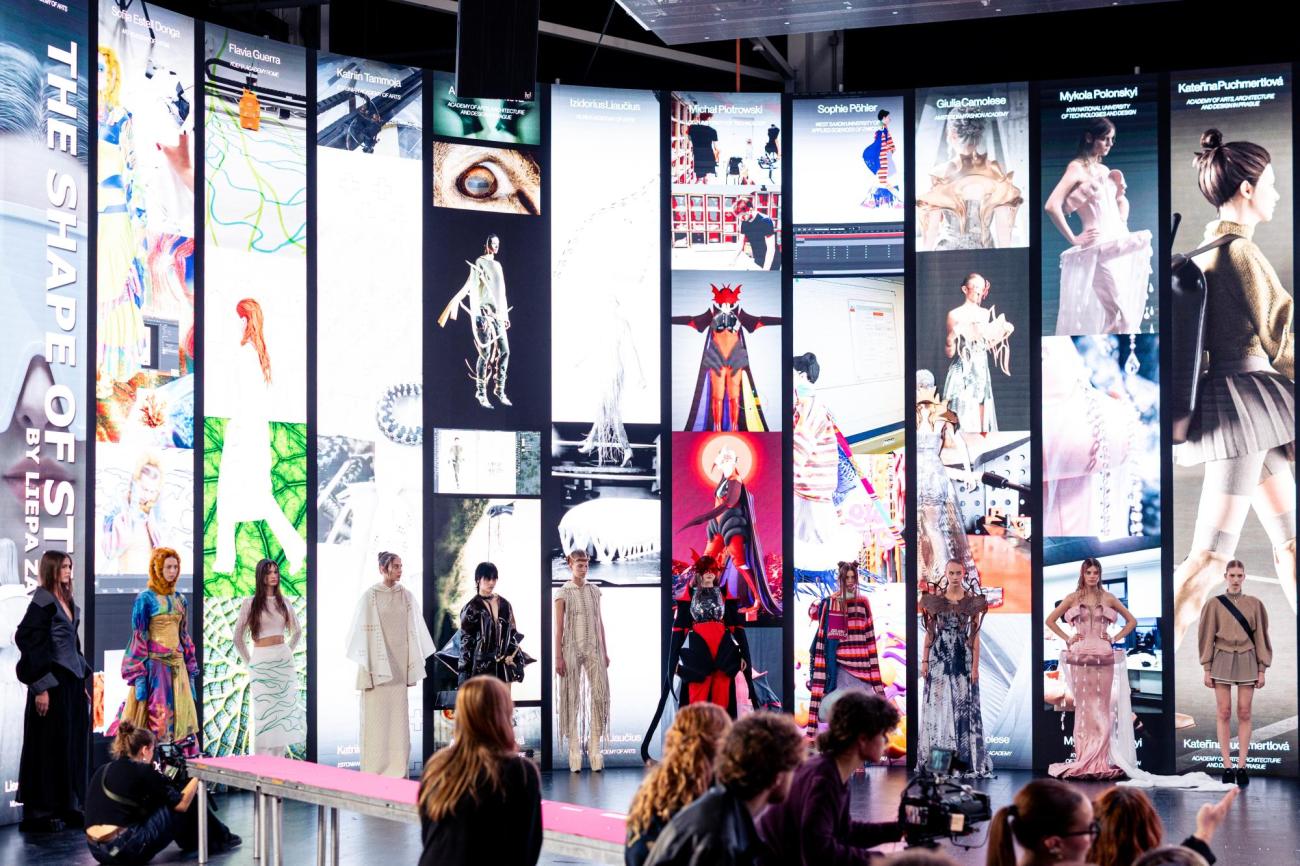
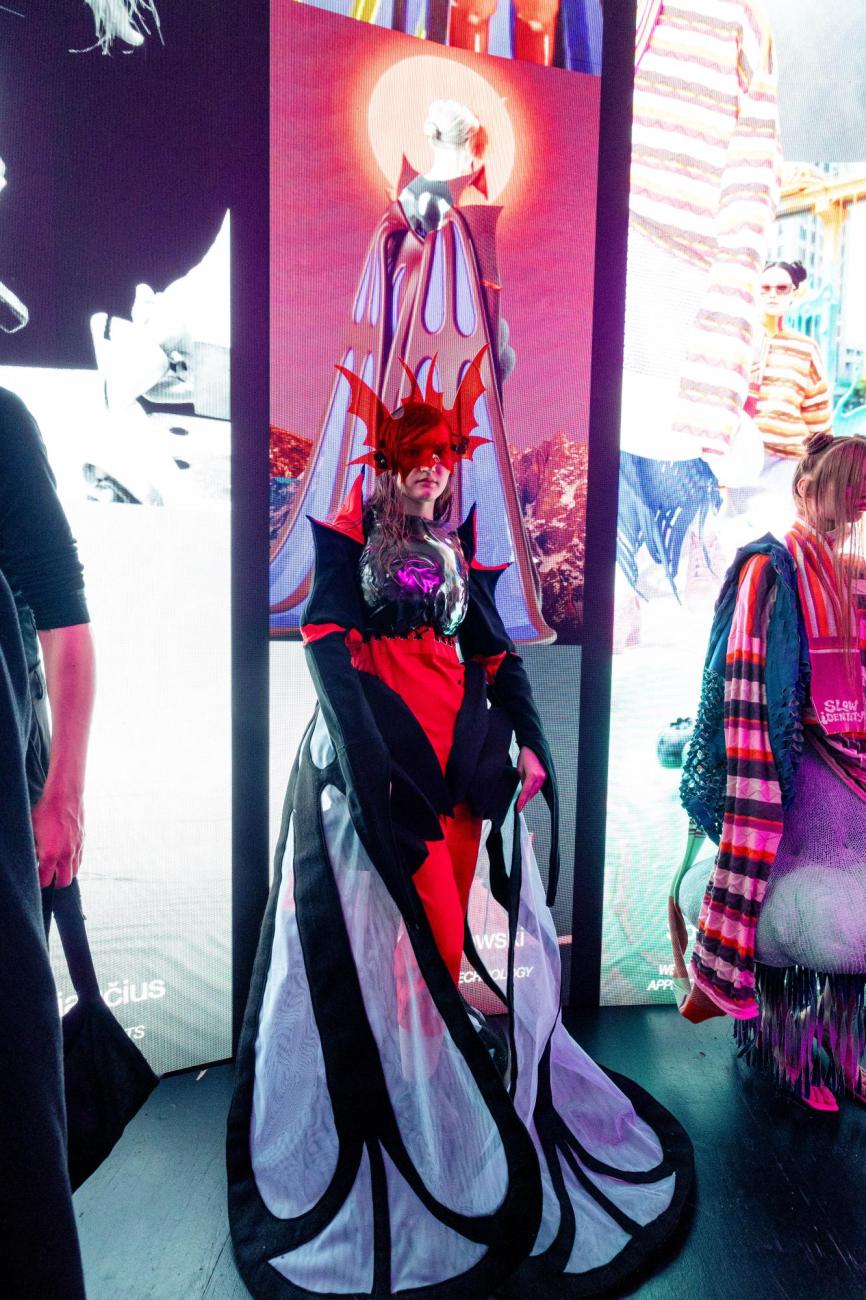
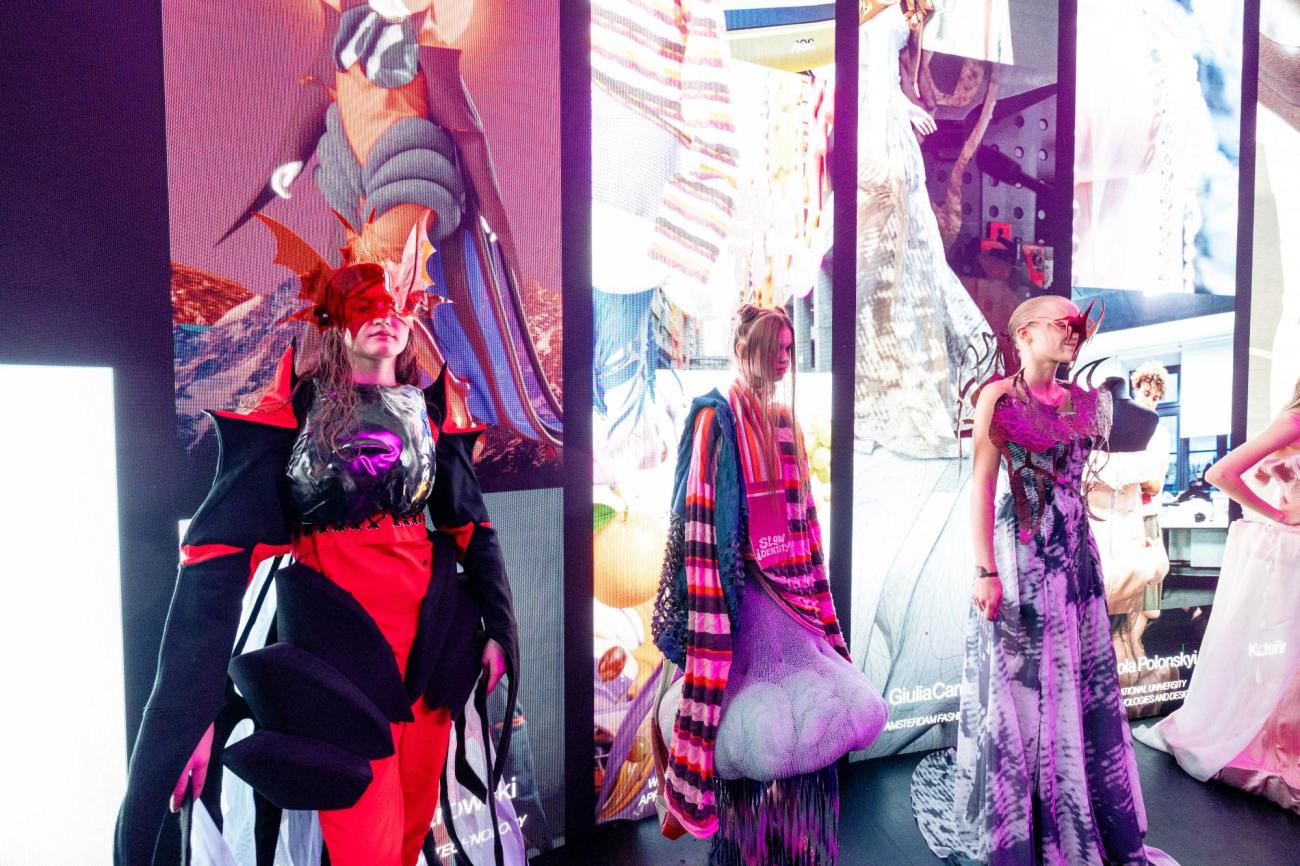
The highlight of the event was the presentation of projects by 24 participants in the second FashionTEX edition. At LEDunit Virtual Production Studio, physical garments presented on the runway were combined with animations, digital 3D models and visualisations displayed on an impressive 26.5-metre LED wall. Projects by 24 participants from the first edition in 2025 were also presented. The finale in Riga therefore became a summary of the achievements of 48 young designers from the two editions of the project.
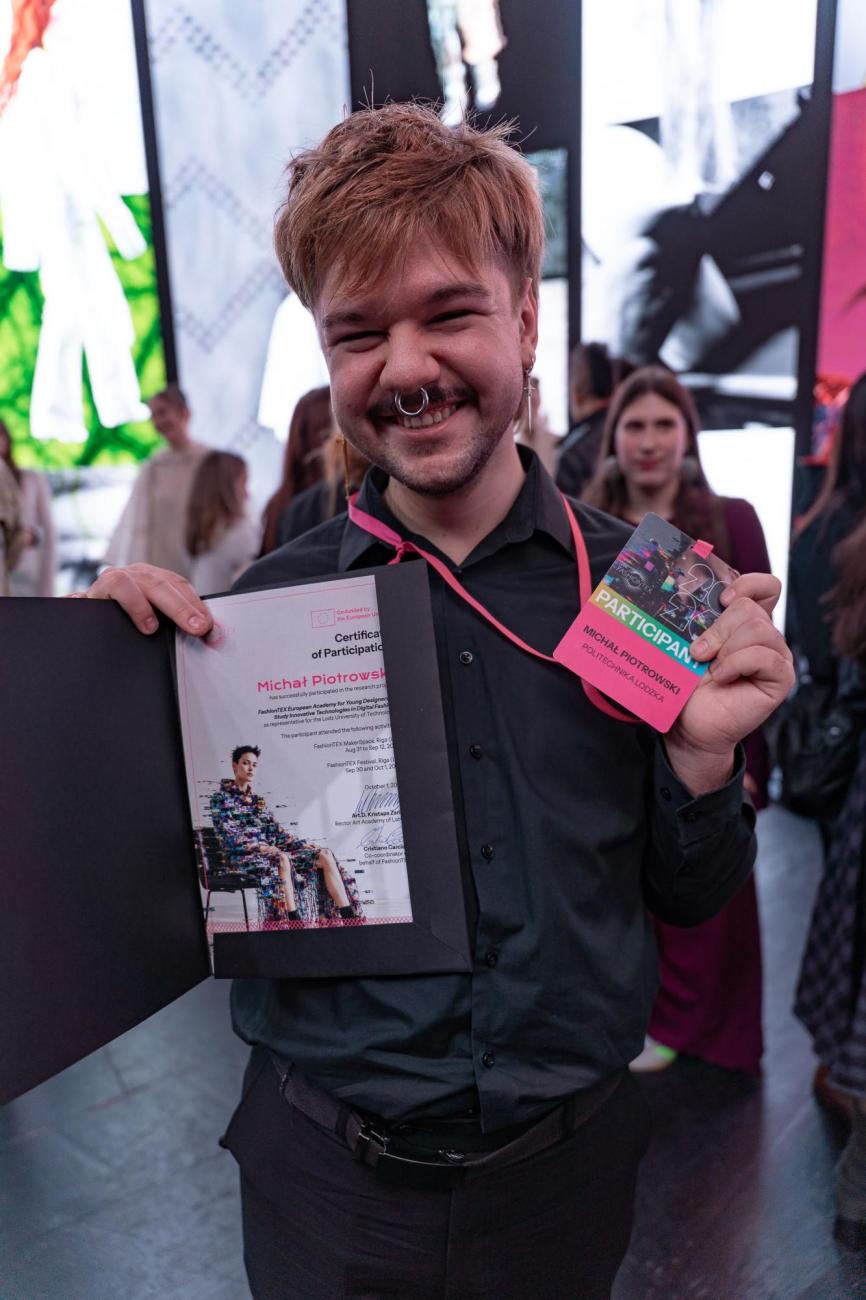
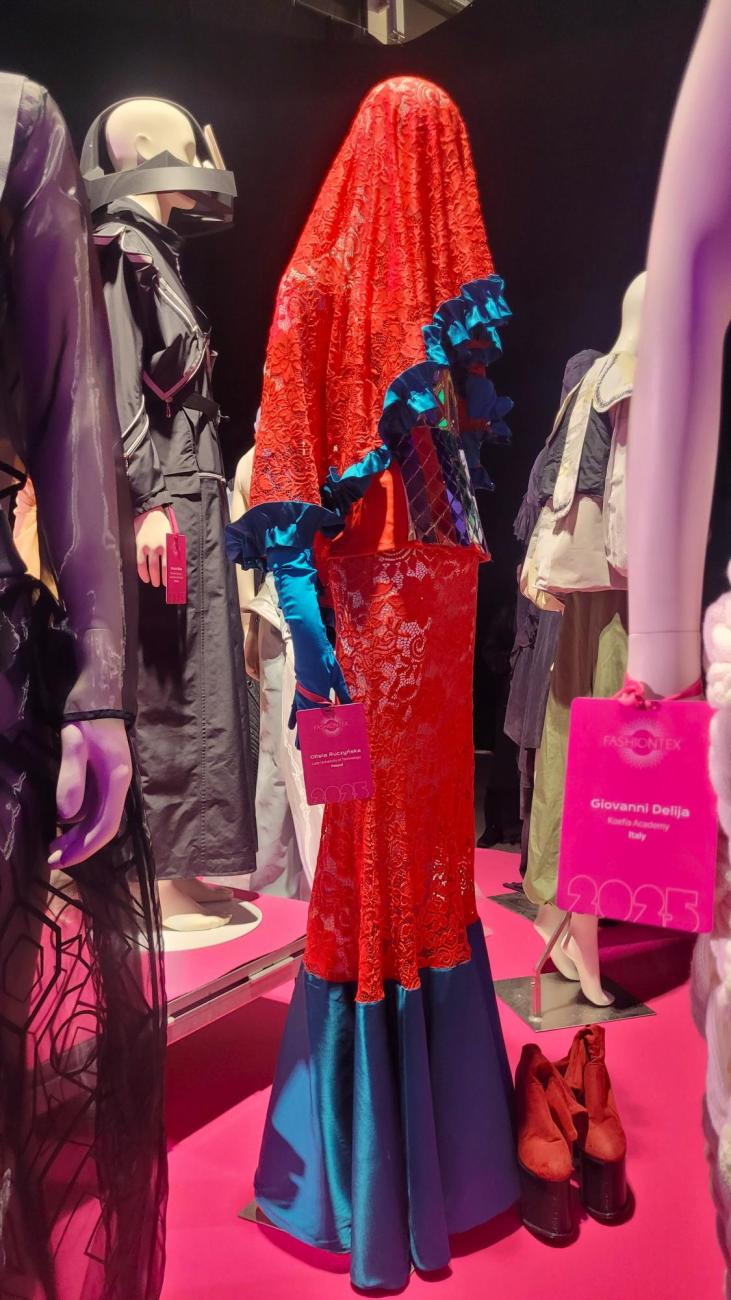
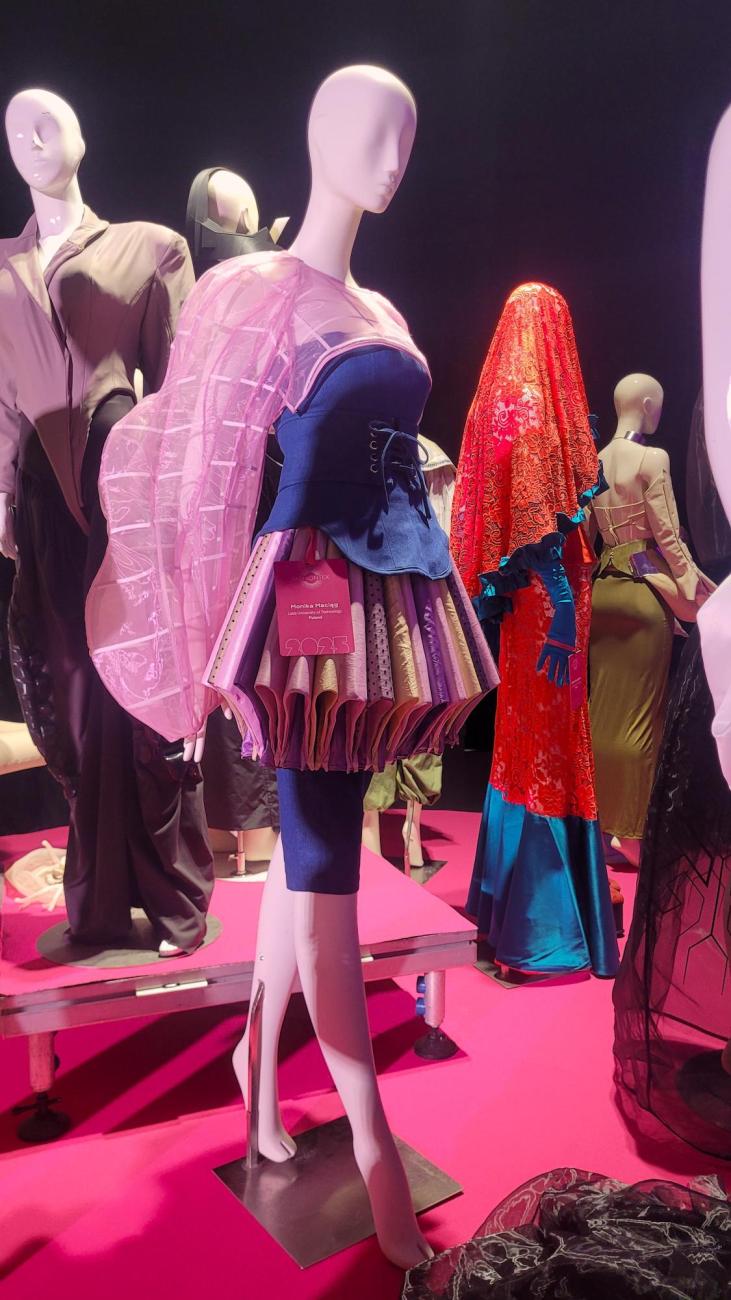
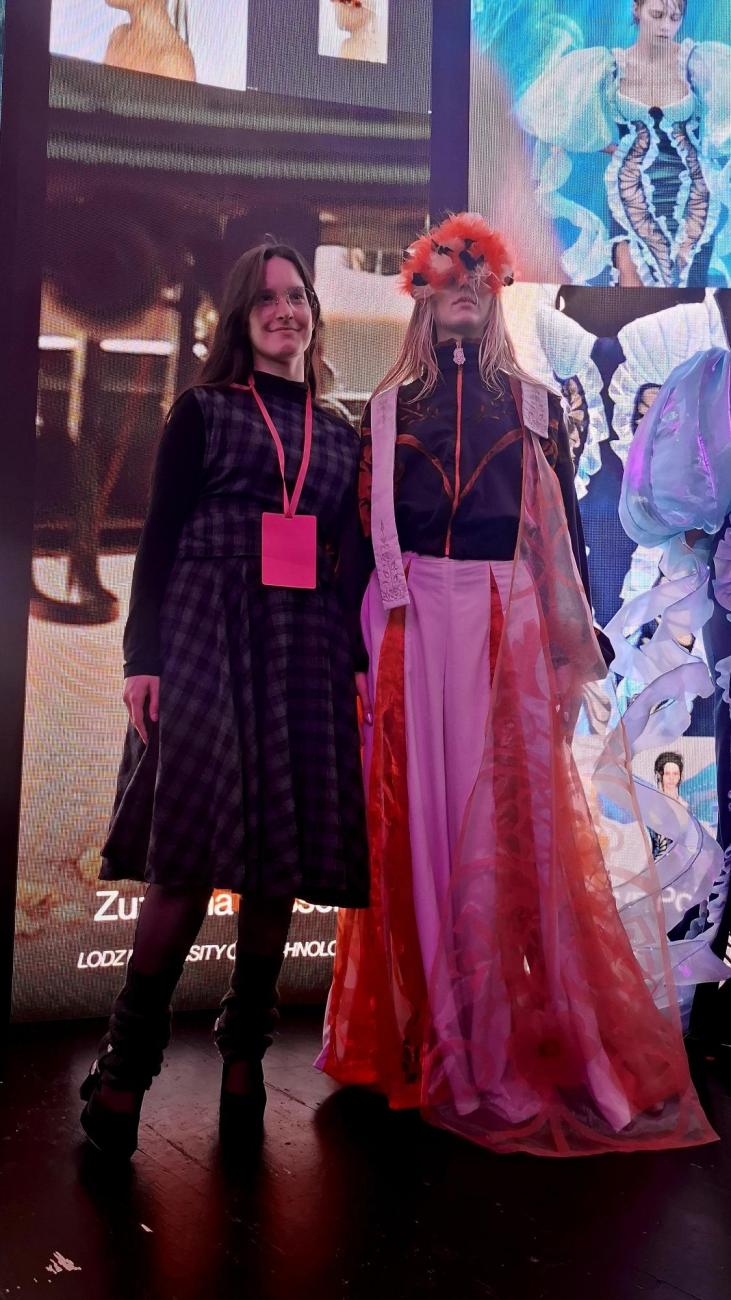
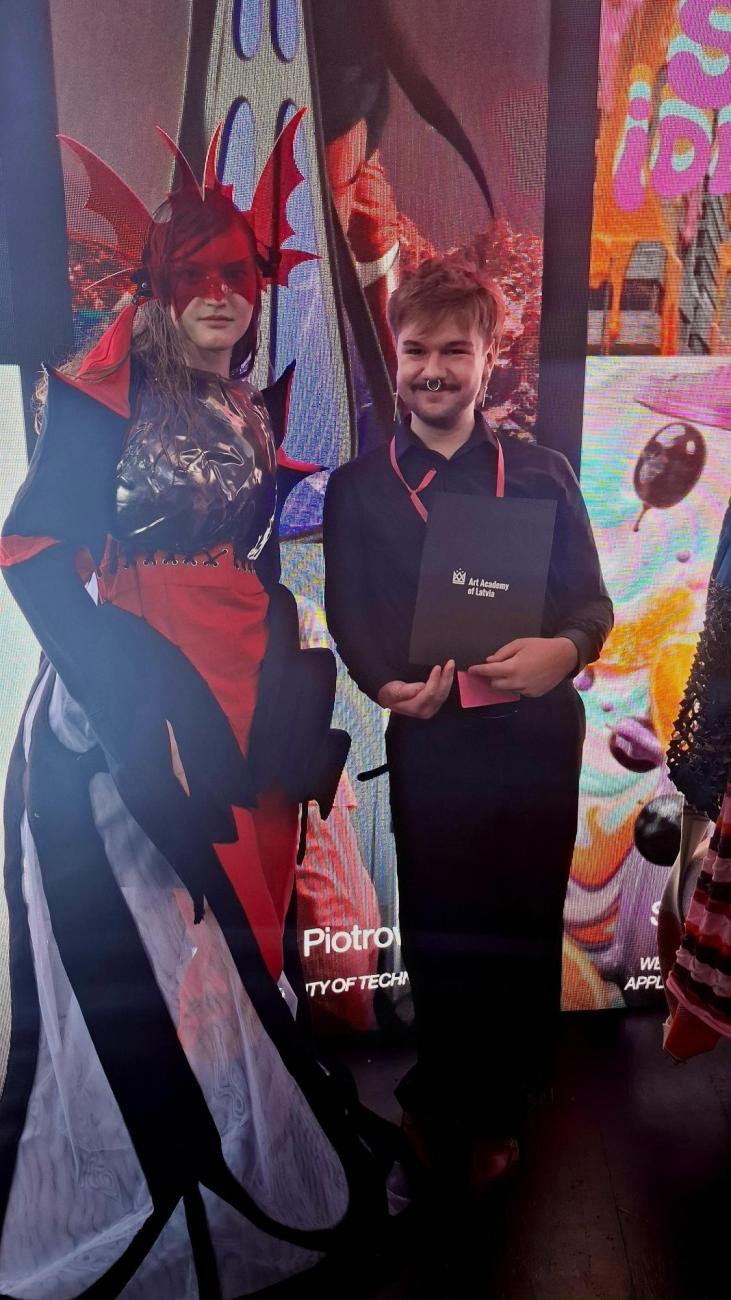
Lodz University of Technology was represented by students of the Design programme, Clothing Architecture specialisation: Zuzanna Russek and Michał Piotrowski from the 2026 edition, and Monika Maciąg and Oliwia Ruczyńska from the first edition.
The projects presented during the 2026 finale were the result of a full year of student work at their home institutions, followed by intensive two-week Riga Makerspace workshops. Participants developed their concepts using, among other tools, CLO3D and Blender, as well as 3D printing, laser cutting, digital prototyping and technologies supporting the creation of digital twins of garments.
From Chemnitz and Amsterdam to the finale in Riga
The finale in Riga was the next stage in the European journey of PŁ students within FashionTEX. In 2025, the first edition of the project included an international Makerspace in Schneeberg and the finale in Chemnitz – European Capital of Culture 2025, where students presented physical garments alongside their digital counterparts.
The next stage was the Future Front Row × FashionTEX Holographic Runway Show at Fabrique des Lumières in Amsterdam, where students’ digital collections were presented in the form of a holographic fashion show. In 2026, the idea of combining physical and digital fashion was further developed during the finale in Riga through the use of a large-scale LED stage and professional virtual production technologies.
A lasting impact of FashionTEX at the Institute of Textile Architecture
Digital garment construction, modelling and visualisation had already been developed at the Institute of Textile Architecture using specialist CAD systems. FashionTEX made it possible to expand this area significantly, above all by introducing regular work with CLO3D, as well as more advanced applications of Blender, 3D modelling and animation, and virtual presentation of fashion projects.
At successive stages of education, students developed skills in digital garment construction, fabric simulation, virtual prototyping, digital twins, animation, the creation of unconventional forms and accessories, and new ways of presenting collections, including VR technologies.
This enables traditional knowledge of garment construction, materials and clothing technology to be combined with digital tools that are increasingly used in the contemporary fashion industry. These technologies also support the development of sustainable fashion by enabling earlier testing of construction and material solutions, reducing the number of physical prototypes and supporting more conscious planning of the design process.
The FashionTEX project at Lodz University of Technology was coordinated by Dr Magdalena Owczarek from the Institute of Textile Architecture, with Dr Andrzej Foder and Dr Maciej Jabłoński, members of the teaching staff of the Design programme, Clothing Architecture specialisation, also contributing to the educational team.
FashionTEX was implemented from 1 November 2023 to 31 October 2026. Although the three-year project has formally come to an end, the competences, experience and working methods developed within the project remain part of the educational process. They represent one of the most important lasting outcomes of Lodz University of Technology’s participation in FashionTEX.
The European journey from Łódź through Chemnitz and Amsterdam to Riga brought the three-year FashionTEX project to a close, while at the same time opening a new stage in the development of digital fashion design at the Institute of Textile Architecture.
Worth exploring
• Zuzanna Russek – CLO3D, AI and New Impulses for Digital Fashion Design
• Michał Piotrowski – Digital Textures, CLO3D and Creative Connections
• Monika Maciąg – “Inner Child” project
• Oliwia Ruczyńska – “Stained Light” project
More about FashionTEX
The FashionTEX – European Academy for Young Designers to Study Innovative Technologies in Digital Fashion Design project was co-funded by the European Union under the Creative Europe programme, Culture strand.
Funded by the European Union.
Lodz University of Technology was a partner in the project. Activities on behalf of the University were carried out at the Faculty of Material Technologies and Textile Design, and the project at Lodz University of Technology was coordinated by Dr Magdalena Owczarek from the Institute of Textile Architecture.
Dr Magdalena Owczarek
Institute of Textile Architecture
Faculty of Material Technologies and Textile Design, Lodz University of Technology
Image
Image
Image
Image
Image
Image
Image
Image
Image
Image
Image
Image

Image
Image
Image

Image
Image
Image
Image
Image
Image
Image
Image
Image
Image
Image
Image
Image
Image
Image

Image
Image
Image
Image
Image
Image

Image
Image
Image
Image
Image
Image
Image
Image
Image
Image

Image